
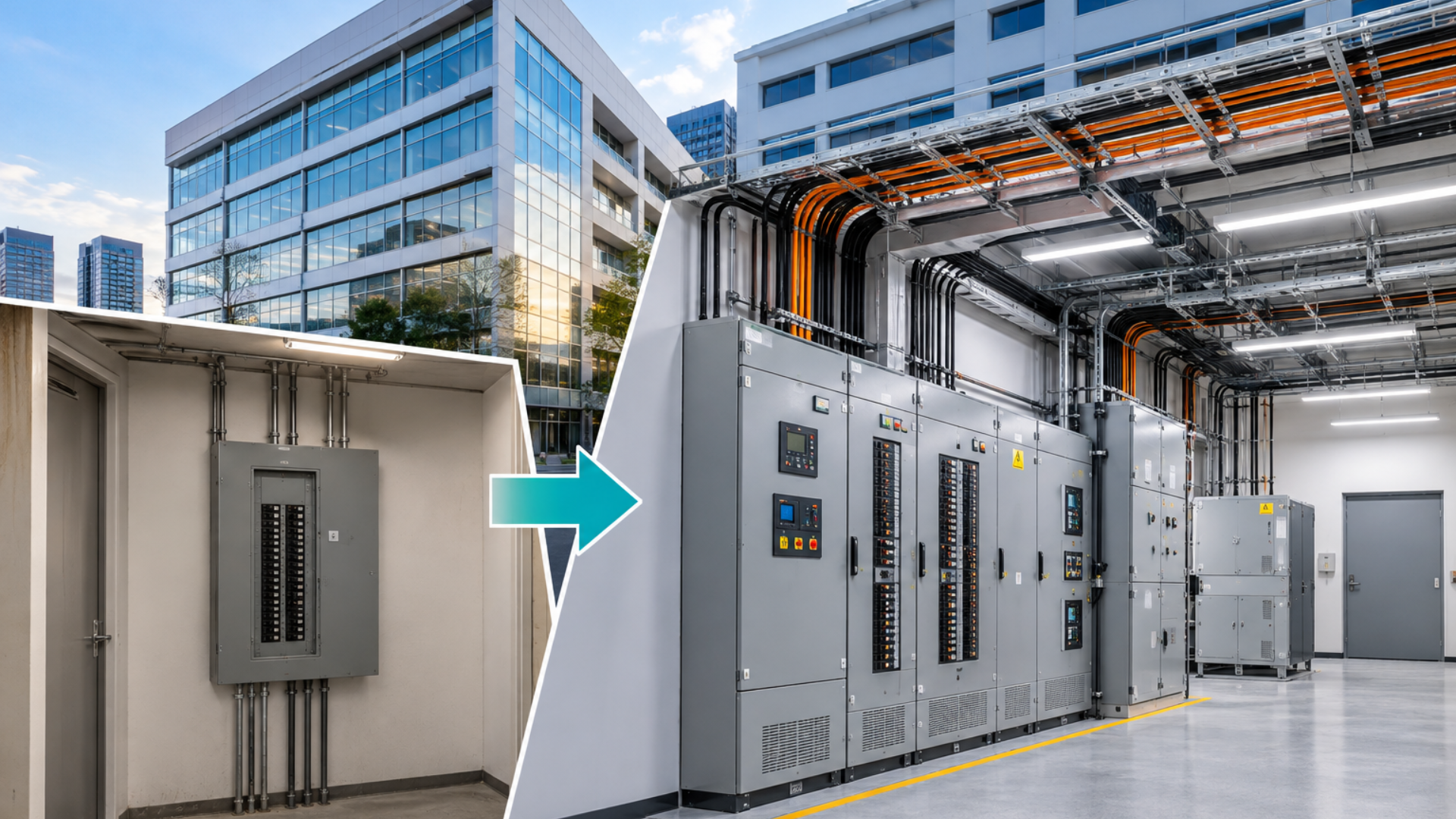
Buildings rarely remain exactly as they were when first constructed. Homes gain additional appliances, commercial properties introduce new equipment, and workplaces adapt to changing operational needs.
These changes can increase electricity demand beyond what the original electrical design anticipated. Even when the existing system appears to be working normally, it may no longer provide the capacity, protection or flexibility required for the building's current use.
Recognising the signs early can help property owners plan improvements before electrical limitations disrupt renovations, equipment installations or daily activities.
Seven Signs Your Electrical System May Need Attention
1. Circuit Breakers Trip Frequently
A circuit breaker that trips repeatedly may indicate an overloaded circuit, an electrical fault or another problem requiring investigation.
For example, a commercial kitchen that adds new cooking equipment may place more demand on circuits originally designed for a smaller setup. In a home, multiple high-power appliances operating together may reveal limitations that were not apparent previously.
Frequent tripping should not be treated as a normal inconvenience. An electrician can identify the cause and determine whether repairs, circuit changes or a wider upgrade are needed.
2. The Switchboard Is Outdated
Older switchboards may lack protective devices or arrangements appropriate for the building's current use. They may also have limited space for additional circuits.
A switchboard assessment can establish whether the existing equipment remains suitable and whether replacement or modifications are necessary. The age of a switchboard alone does not determine whether it must be replaced; its condition, design and compliance are also important.
3. New Equipment Cannot Be Added Easily
Installing new machinery, air conditioning, electric vehicle charging or other high-demand equipment may require dedicated circuits and additional electrical capacity.
If the existing installation cannot accommodate the new load safely, the project may require changes to the switchboard, distribution system or incoming supply.
Identifying these requirements before purchasing equipment can help avoid unexpected installation costs.
4. Renovations Have Changed How the Building Is Used
An extension, additional office, converted garage or new production area can introduce electrical demands that were not included in the original design.
A renovation is therefore a useful opportunity to assess the existing system. Planning electrical upgrades alongside building work may be more practical than carrying out separate modifications later.
5. Electrical Demand Is Increasing
A building may experience higher demand even without adding a completely new area. Longer operating hours, more occupants and additional appliances can all change electricity consumption.
A load assessment helps establish how much demand the installation must support, including periods when several high-power appliances operate simultaneously.
Where appropriate, load management may help reduce peak demand, but it cannot replace necessary safety improvements.
6. The Property Is Introducing Electrification
Replacing gas appliances with electric alternatives, installing an EV charger or adding a larger air-conditioning system can change the building's electricity requirements significantly.
The relevant question is not simply whether the property uses more energy over a month. The electrical installation must also be capable of supplying the required power at the times it is needed.
An electrician can assess existing capacity and determine whether the proposed equipment can be connected without compromising safety or reliability.
7. Warning Signs Keep Appearing
Burning smells, unusual buzzing, discolouration, damaged wiring or abnormally hot electrical equipment can indicate a serious problem.
These warning signs require prompt attention rather than waiting for a planned upgrade. Stop using affected equipment where safe, keep away from the hazard and arrange an urgent assessment. If there is smoke or fire, move to safety and contact emergency services.
Does an Upgrade Mean Replacing Everything?
Not necessarily. The appropriate work depends on the condition and capacity of the existing installation.
An upgrade might involve:
How to Plan an Electrical Upgrade
Start by identifying the building's current electrical loads and the equipment you expect to add in the future. Include planned renovations, new machinery, cooling systems, EV charging and other foreseeable requirements.
A qualified electrician can inspect the installation, assess demand and explain which improvements are necessary. For larger commercial projects, coordination with the electrical designer, equipment suppliers and other building professionals can help prevent capacity issues from being discovered late in the project.
It is also worth confirming the relevant regulatory and inspection requirements before work begins.
Preparing a Building for Future Demand
Electrical upgrades are not only about fixing existing problems. They can also help ensure that a building is ready for future changes.
Planning ahead allows property owners to understand the installation's limitations, budget for necessary improvements and coordinate electrical work with other projects. A properly assessed system can provide a safer and more practical foundation for the building's next stage of use.
These changes can increase electricity demand beyond what the original electrical design anticipated. Even when the existing system appears to be working normally, it may no longer provide the capacity, protection or flexibility required for the building's current use.
Recognising the signs early can help property owners plan improvements before electrical limitations disrupt renovations, equipment installations or daily activities.
Seven Signs Your Electrical System May Need Attention
1. Circuit Breakers Trip Frequently
A circuit breaker that trips repeatedly may indicate an overloaded circuit, an electrical fault or another problem requiring investigation.
For example, a commercial kitchen that adds new cooking equipment may place more demand on circuits originally designed for a smaller setup. In a home, multiple high-power appliances operating together may reveal limitations that were not apparent previously.
Frequent tripping should not be treated as a normal inconvenience. An electrician can identify the cause and determine whether repairs, circuit changes or a wider upgrade are needed.
2. The Switchboard Is Outdated
Older switchboards may lack protective devices or arrangements appropriate for the building's current use. They may also have limited space for additional circuits.
A switchboard assessment can establish whether the existing equipment remains suitable and whether replacement or modifications are necessary. The age of a switchboard alone does not determine whether it must be replaced; its condition, design and compliance are also important.
3. New Equipment Cannot Be Added Easily
Installing new machinery, air conditioning, electric vehicle charging or other high-demand equipment may require dedicated circuits and additional electrical capacity.
If the existing installation cannot accommodate the new load safely, the project may require changes to the switchboard, distribution system or incoming supply.
Identifying these requirements before purchasing equipment can help avoid unexpected installation costs.
4. Renovations Have Changed How the Building Is Used
An extension, additional office, converted garage or new production area can introduce electrical demands that were not included in the original design.
A renovation is therefore a useful opportunity to assess the existing system. Planning electrical upgrades alongside building work may be more practical than carrying out separate modifications later.
5. Electrical Demand Is Increasing
A building may experience higher demand even without adding a completely new area. Longer operating hours, more occupants and additional appliances can all change electricity consumption.
A load assessment helps establish how much demand the installation must support, including periods when several high-power appliances operate simultaneously.
Where appropriate, load management may help reduce peak demand, but it cannot replace necessary safety improvements.
6. The Property Is Introducing Electrification
Replacing gas appliances with electric alternatives, installing an EV charger or adding a larger air-conditioning system can change the building's electricity requirements significantly.
The relevant question is not simply whether the property uses more energy over a month. The electrical installation must also be capable of supplying the required power at the times it is needed.
An electrician can assess existing capacity and determine whether the proposed equipment can be connected without compromising safety or reliability.
7. Warning Signs Keep Appearing
Burning smells, unusual buzzing, discolouration, damaged wiring or abnormally hot electrical equipment can indicate a serious problem.
These warning signs require prompt attention rather than waiting for a planned upgrade. Stop using affected equipment where safe, keep away from the hazard and arrange an urgent assessment. If there is smoke or fire, move to safety and contact emergency services.
Does an Upgrade Mean Replacing Everything?
Not necessarily. The appropriate work depends on the condition and capacity of the existing installation.
An upgrade might involve:
- Replacing or modifying the switchboard.
- Installing additional circuits for new equipment.
- Improving electrical protection where required.
- Increasing supply capacity where the existing supply is insufficient.
- Introducing suitable load management for high-demand appliances.
- Correcting defects identified during an electrical assessment.
How to Plan an Electrical Upgrade
Start by identifying the building's current electrical loads and the equipment you expect to add in the future. Include planned renovations, new machinery, cooling systems, EV charging and other foreseeable requirements.
A qualified electrician can inspect the installation, assess demand and explain which improvements are necessary. For larger commercial projects, coordination with the electrical designer, equipment suppliers and other building professionals can help prevent capacity issues from being discovered late in the project.
It is also worth confirming the relevant regulatory and inspection requirements before work begins.
Preparing a Building for Future Demand
Electrical upgrades are not only about fixing existing problems. They can also help ensure that a building is ready for future changes.
Planning ahead allows property owners to understand the installation's limitations, budget for necessary improvements and coordinate electrical work with other projects. A properly assessed system can provide a safer and more practical foundation for the building's next stage of use.