Heat can put household air conditioning systems under considerable pressure. When temperatures rise, many households rely on cooling for hours at a time, which can contribute significantly to electricity consumption.
However, high energy use is not always caused by hot weather alone. Dirty filters, blocked airflow, poor insulation and unsuitable thermostat settings can all make it harder to keep a home comfortable.
The good news? Regular maintenance and a few practical changes can help your air conditioner operate more efficiently.
1. Start With the Air Filter
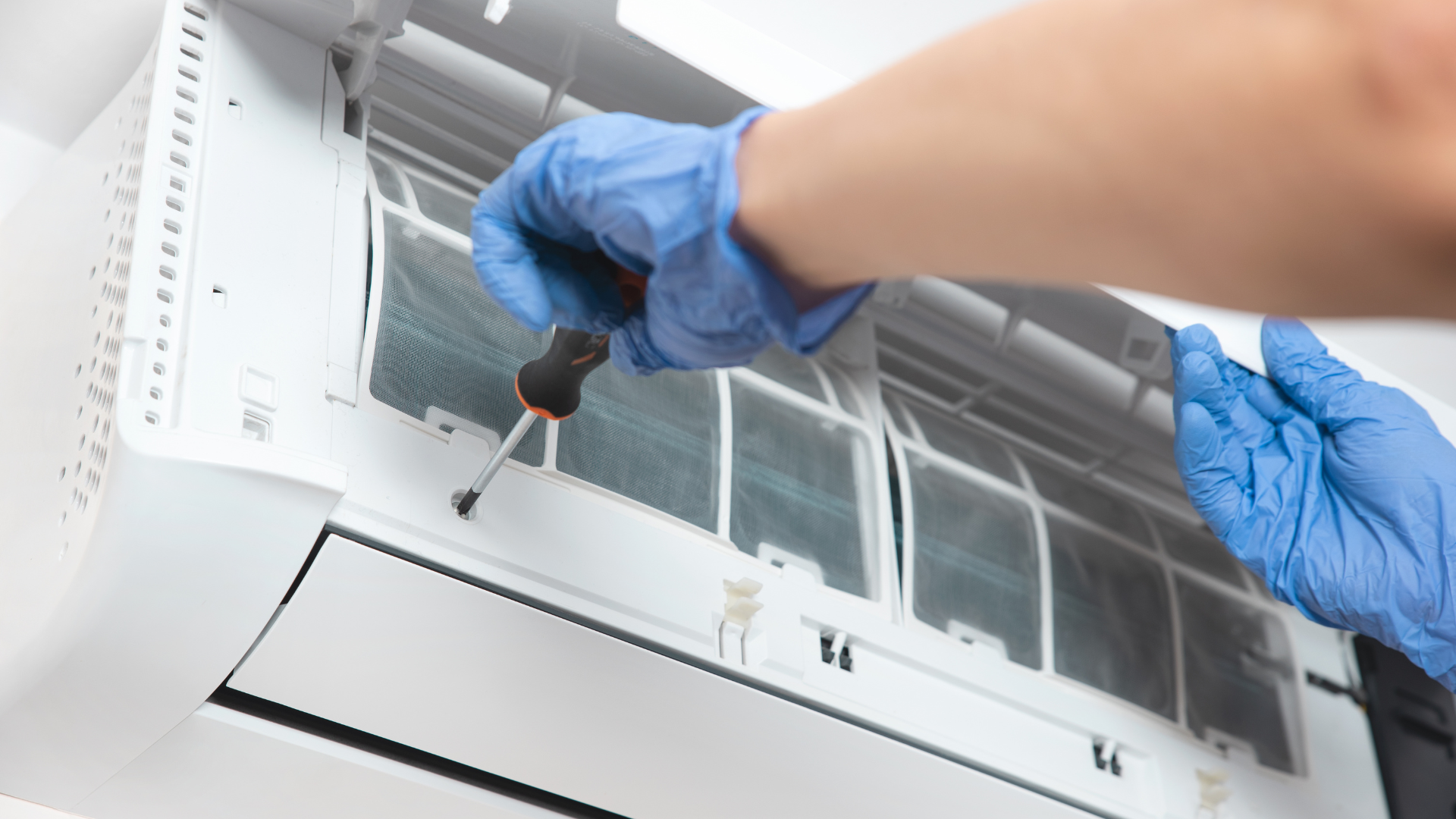
One of the simplest maintenance tasks is checking your air conditioner's filter.
Dust and other airborne particles can accumulate over time, restricting airflow through the indoor unit. When airflow is reduced, the system may struggle to distribute cooled air effectively.
What you can do:
2. Give Airflow Room to Work
Even a well-maintained air conditioner can struggle if its airflow is obstructed.
Inside the home, avoid placing furniture, curtains or other objects directly in front of supply vents. For split systems, keep the indoor unit's air intake and outlet clear.
Outside, check that leaves, garden debris and other obstructions are not crowding the outdoor unit. Do not open electrical compartments or attempt to clean internal components yourself.
Restricted airflow can affect cooling performance and may cause the system to work harder than necessary.
3. Set a Sensible Cooling Temperature
Setting the thermostat much lower than necessary does not make a room cool instantly. It can, however, cause the air conditioner to run longer while trying to reach an unnecessarily low temperature.
A setting of around 24–26°C can be a practical starting point for balancing comfort and energy use, although the ideal temperature depends on your comfort, health needs, climate and system.
Try these habits:
4. Reduce the Heat Entering Your Home
Air conditioning efficiency is not just about the appliance. It also depends on how much heat enters the building.
Strong sunshine can heat rooms through exposed windows, particularly those facing east or west, depending on the time of day.
Close blinds or curtains before the hottest part of the day. Check whether gaps around doors and windows allow warm air to enter, and consider whether your roof and ceiling insulation are adequate.
External shading, suitable window coverings and improved insulation can reduce the cooling demand placed on your system.
5. Understand How El Niño Can Affect Cooling Demand
El Niño is a climate pattern associated with changes in ocean temperatures and atmospheric conditions across the tropical Pacific. It can increase the likelihood of hotter conditions and below-average rainfall in some regions, although its effects vary by location and season.
During prolonged hot weather, households may need to run air conditioning for longer periods, particularly when indoor temperatures remain high into the evening.
Extended heat can increase cooling demand and household electricity consumption, especially when several rooms need to be cooled at once.
Here are some practical ways to prepare for prolonged hot weather:
6. Know When Professional Servicing Is Needed
Cleaning accessible filters is routine household maintenance. Inspecting refrigerant systems, electrical connections and internal mechanical components is a different matter.
Consider arranging a professional inspection if you notice:
Your Pre-Summer Air Conditioning Checklist
Before the next heatwave, take a few minutes to review your setup.
Efficient cooling starts with a combination of maintenance, sensible settings and a home that limits unwanted heat gain. If your air conditioner still struggles after basic checks, a professional assessment can help determine the next step.
Planning an air conditioning upgrade? Renostain can help you explore energy solutions suited to your property's needs. Contact the team to discuss your requirements and identify the options worth investigating.
However, high energy use is not always caused by hot weather alone. Dirty filters, blocked airflow, poor insulation and unsuitable thermostat settings can all make it harder to keep a home comfortable.
The good news? Regular maintenance and a few practical changes can help your air conditioner operate more efficiently.
1. Start With the Air Filter
One of the simplest maintenance tasks is checking your air conditioner's filter.
Dust and other airborne particles can accumulate over time, restricting airflow through the indoor unit. When airflow is reduced, the system may struggle to distribute cooled air effectively.
What you can do:
- Check the filter according to the manufacturer's instructions.
- Clean reusable filters as directed, and replace disposable filters when required.
- Make sure the filter is completely dry before reinstalling it, where applicable.
- Check more frequently during periods of heavy use or in dusty environments.
2. Give Airflow Room to Work
Even a well-maintained air conditioner can struggle if its airflow is obstructed.
Inside the home, avoid placing furniture, curtains or other objects directly in front of supply vents. For split systems, keep the indoor unit's air intake and outlet clear.
Outside, check that leaves, garden debris and other obstructions are not crowding the outdoor unit. Do not open electrical compartments or attempt to clean internal components yourself.
Restricted airflow can affect cooling performance and may cause the system to work harder than necessary.
3. Set a Sensible Cooling Temperature
Setting the thermostat much lower than necessary does not make a room cool instantly. It can, however, cause the air conditioner to run longer while trying to reach an unnecessarily low temperature.
A setting of around 24–26°C can be a practical starting point for balancing comfort and energy use, although the ideal temperature depends on your comfort, health needs, climate and system.
Try these habits:
- Start cooling before indoor temperatures become extreme.
- Keep doors and windows closed while the air conditioner is operating, where practical.
- Use ceiling fans to improve air movement and comfort.
- Turn the system off when cooling is no longer needed, rather than cooling an empty home unnecessarily.
4. Reduce the Heat Entering Your Home
Air conditioning efficiency is not just about the appliance. It also depends on how much heat enters the building.
Strong sunshine can heat rooms through exposed windows, particularly those facing east or west, depending on the time of day.
Close blinds or curtains before the hottest part of the day. Check whether gaps around doors and windows allow warm air to enter, and consider whether your roof and ceiling insulation are adequate.
External shading, suitable window coverings and improved insulation can reduce the cooling demand placed on your system.
5. Understand How El Niño Can Affect Cooling Demand
El Niño is a climate pattern associated with changes in ocean temperatures and atmospheric conditions across the tropical Pacific. It can increase the likelihood of hotter conditions and below-average rainfall in some regions, although its effects vary by location and season.
During prolonged hot weather, households may need to run air conditioning for longer periods, particularly when indoor temperatures remain high into the evening.
Extended heat can increase cooling demand and household electricity consumption, especially when several rooms need to be cooled at once.
Here are some practical ways to prepare for prolonged hot weather:
- Cool your home early: Close blinds and curtains before direct sunlight heats the rooms, and start cooling before indoor temperatures become excessive.
- Prioritise occupied spaces: Where your system allows it, focus cooling on the rooms being used rather than unnecessarily cooling the entire home.
- Check your insulation: Adequate ceiling insulation and reduced air leakage can help slow heat entering your home.
- Review your electricity usage: Monitor how much energy your air conditioner consumes during periods of extended heat so you can identify changes in your usage pattern.
- Prepare before the heat arrives: Check filters, test your system and arrange servicing before demand increases during a hot spell.
6. Know When Professional Servicing Is Needed
Cleaning accessible filters is routine household maintenance. Inspecting refrigerant systems, electrical connections and internal mechanical components is a different matter.
Consider arranging a professional inspection if you notice:
- Cooling performance has noticeably declined.
- The unit makes unusual noises or develops persistent odours.
- Water leaks from the indoor unit.
- The system repeatedly trips a circuit breaker.
- Energy use rises without an obvious change in your cooling habits.
Your Pre-Summer Air Conditioning Checklist
Before the next heatwave, take a few minutes to review your setup.
- Check and clean the filter as instructed.
- Clear obstructions around vents and the outdoor unit.
- Test the system before the hottest days arrive.
- Check blinds, curtains and obvious draughts.
- Review your thermostat settings and cooling schedule.
- Arrange professional servicing if performance has declined.
Efficient cooling starts with a combination of maintenance, sensible settings and a home that limits unwanted heat gain. If your air conditioner still struggles after basic checks, a professional assessment can help determine the next step.
Planning an air conditioning upgrade? Renostain can help you explore energy solutions suited to your property's needs. Contact the team to discuss your requirements and identify the options worth investigating.