
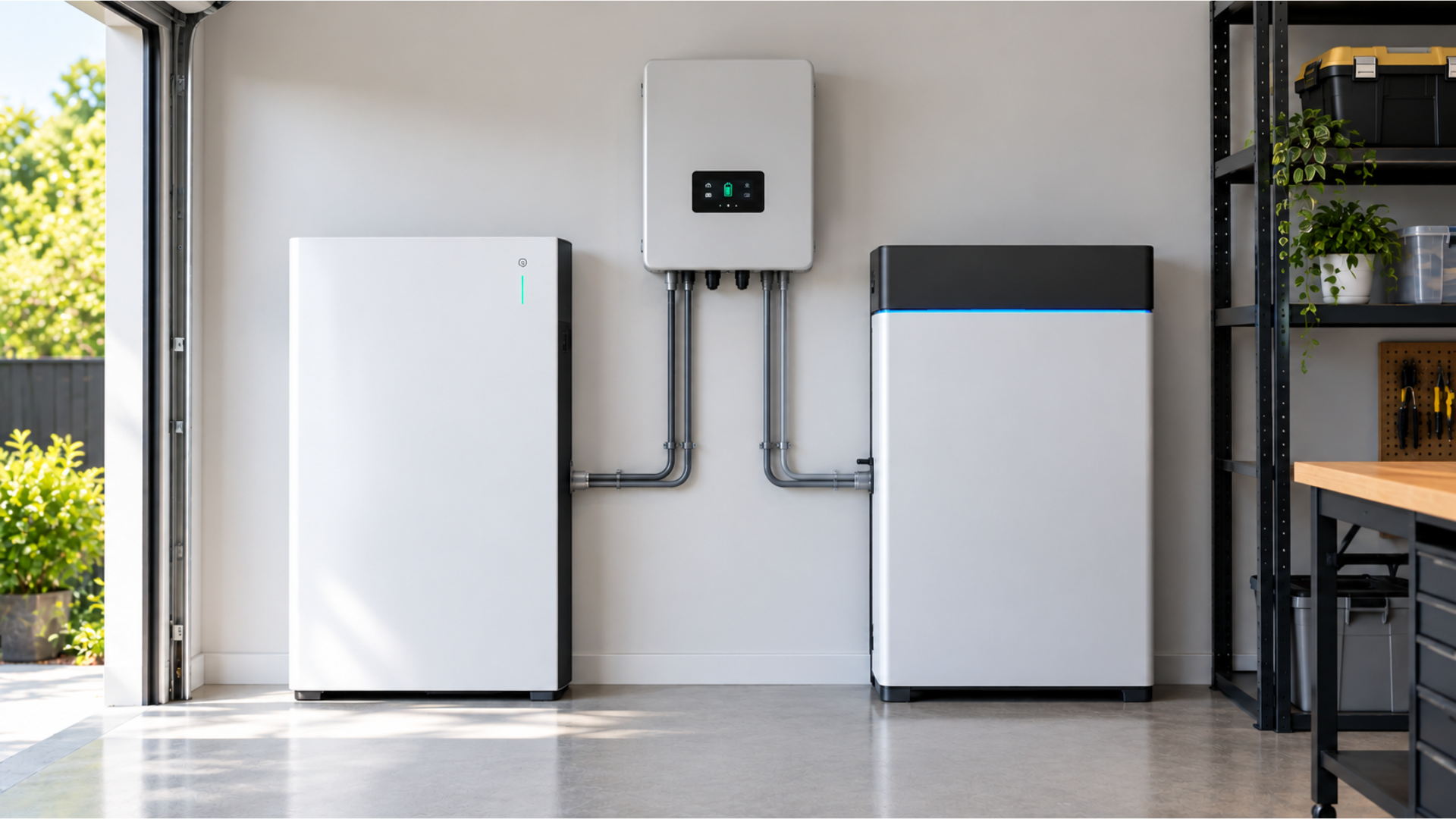
Your existing home battery has been working for several years, but your household's energy needs have changed. Perhaps you have installed an air conditioner, bought an electric vehicle or decided that you want more stored electricity available in the evening.
Adding another battery might seem like a straightforward upgrade. You already have a battery system, so why not connect a second unit and increase the available storage?
The difficulty is that home batteries are not universally interchangeable. A second battery from a different brand may require a separate system, compatible conversion equipment or a broader redesign.
Before purchasing another unit, check how the existing equipment is configured and which expansion options are supported.
Why Battery Compatibility Is More Complicated Than It Looks
Two batteries can have similar capacities and still be unsuitable for direct connection.
They may use different voltage ranges, battery management systems, communication protocols or inverter arrangements. Their control systems must also coordinate charging, discharging and protective functions appropriately.
The existing inverter is particularly important. Some inverters support only specified battery models, while other arrangements may permit an additional system using compatible equipment.
The proposed configuration must be supported by the relevant manufacturers and installed according to their instructions.
Simply matching a battery's advertised capacity to the existing system is not enough.
Start by Identifying Your Existing Equipment
Before requesting an upgrade quote, collect the information available about your current installation.
Useful details include:
• Battery manufacturer and exact model
• Inverter manufacturer and model
• Existing usable battery capacity
• Approximate installation date
• Available system monitoring information
• Any warranty or installation documentation
• Whether the system provides backup power during a grid outage
This information helps an installer determine which expansion pathways may be technically possible.
If you cannot identify the equipment, photographs of the external labels and existing installation documentation may help. Do not remove covers or open electrical enclosures to locate model information.
Four Possible Ways to Expand Battery Storage
The suitable approach depends on the existing equipment and the additional capacity required.
1. Add an Approved Module to the Existing Battery
If the original system is designed for expansion, adding a compatible module may be possible.
This can be a relatively direct pathway, but the manufacturer may impose limits on the number of modules, supported configurations or conditions for expansion.
The installer should confirm whether the proposed module is approved for use with the existing system.
2. Install a Separate Battery System
In some cases, a second battery system may be considered rather than connecting the new battery directly to the original unit.
This may require separate conversion equipment, electrical integration and compatible energy management arrangements. Whether it is practical depends on the property and the products involved.
3. Upgrade the Inverter or Associated Controls
If the existing equipment cannot support the intended expansion, additional or replacement equipment may be necessary.
This can increase the project scope, so it is worth assessing before purchasing the new battery.
4. Redesign the Storage System
Where the existing battery is ageing, incompatible with current options or unsuitable for future requirements, replacing or redesigning the overall system may be worth comparing with the cost of adding storage.
The cheapest individual component does not always produce the lowest total installation cost.
Can You Mix Different Battery Brands?
Sometimes a property can accommodate separate battery systems from different manufacturers, but that does not mean the batteries can be connected directly together.
The distinction matters.
A system containing separate, independently configured equipment is different from a battery arrangement in which multiple units communicate and operate as one supported system.
Before proceeding, confirm:
• Whether the manufacturers approve the proposed configuration
• Whether the inverter and controls support the equipment
• How charging and discharging will be coordinated
• Whether separate monitoring platforms will be required
• Whether the intended backup functionality will remain available
• How warranties and service responsibilities will apply
If compatibility cannot be confirmed, do not assume that an electrician can simply adapt the equipment to make it work.
Will a Second Battery Automatically Improve Backup Power?
Not necessarily.
Additional storage can increase the amount of energy available, but the system's power output and backup arrangement may remain the limiting factors.
For example, a household may add battery capacity hoping to run an air conditioner and several other appliances during a blackout. If the inverter or backup equipment cannot supply the combined demand, the additional storage will not automatically allow all those appliances to operate together.
A proper assessment should examine both the required runtime and the maximum simultaneous electrical load.
It should also establish which circuits receive backup power and whether the expanded configuration supports the intended operating mode.
Compare the Total Upgrade Cost
The purchase price of the new battery is only one part of the cost.
Depending on the design, the project may involve additional electrical work, conversion equipment, protective devices, monitoring changes, commissioning or updates to the existing installation.
Ask for the proposed scope of work to be explained clearly.
It is also worth comparing the expected benefit of the additional storage with your household's actual energy consumption. More capacity may have limited value if the existing battery already covers most of your evening demand or if there is insufficient surplus solar to recharge the larger system.
Get Compatibility Checked Before You Buy
An upgrade should begin with the existing system, not with a battery advertised at an attractive price.
Renostain can help assess your current equipment, electrical requirements and potential storage expansion options.
Thinking about adding another battery? Contact Renostain before purchasing additional equipment to discuss your existing system.
Adding another battery might seem like a straightforward upgrade. You already have a battery system, so why not connect a second unit and increase the available storage?
The difficulty is that home batteries are not universally interchangeable. A second battery from a different brand may require a separate system, compatible conversion equipment or a broader redesign.
Before purchasing another unit, check how the existing equipment is configured and which expansion options are supported.
Why Battery Compatibility Is More Complicated Than It Looks
Two batteries can have similar capacities and still be unsuitable for direct connection.
They may use different voltage ranges, battery management systems, communication protocols or inverter arrangements. Their control systems must also coordinate charging, discharging and protective functions appropriately.
The existing inverter is particularly important. Some inverters support only specified battery models, while other arrangements may permit an additional system using compatible equipment.
The proposed configuration must be supported by the relevant manufacturers and installed according to their instructions.
Simply matching a battery's advertised capacity to the existing system is not enough.
Start by Identifying Your Existing Equipment
Before requesting an upgrade quote, collect the information available about your current installation.
Useful details include:
• Battery manufacturer and exact model
• Inverter manufacturer and model
• Existing usable battery capacity
• Approximate installation date
• Available system monitoring information
• Any warranty or installation documentation
• Whether the system provides backup power during a grid outage
This information helps an installer determine which expansion pathways may be technically possible.
If you cannot identify the equipment, photographs of the external labels and existing installation documentation may help. Do not remove covers or open electrical enclosures to locate model information.
Four Possible Ways to Expand Battery Storage
The suitable approach depends on the existing equipment and the additional capacity required.
1. Add an Approved Module to the Existing Battery
If the original system is designed for expansion, adding a compatible module may be possible.
This can be a relatively direct pathway, but the manufacturer may impose limits on the number of modules, supported configurations or conditions for expansion.
The installer should confirm whether the proposed module is approved for use with the existing system.
2. Install a Separate Battery System
In some cases, a second battery system may be considered rather than connecting the new battery directly to the original unit.
This may require separate conversion equipment, electrical integration and compatible energy management arrangements. Whether it is practical depends on the property and the products involved.
3. Upgrade the Inverter or Associated Controls
If the existing equipment cannot support the intended expansion, additional or replacement equipment may be necessary.
This can increase the project scope, so it is worth assessing before purchasing the new battery.
4. Redesign the Storage System
Where the existing battery is ageing, incompatible with current options or unsuitable for future requirements, replacing or redesigning the overall system may be worth comparing with the cost of adding storage.
The cheapest individual component does not always produce the lowest total installation cost.
Can You Mix Different Battery Brands?
Sometimes a property can accommodate separate battery systems from different manufacturers, but that does not mean the batteries can be connected directly together.
The distinction matters.
A system containing separate, independently configured equipment is different from a battery arrangement in which multiple units communicate and operate as one supported system.
Before proceeding, confirm:
• Whether the manufacturers approve the proposed configuration
• Whether the inverter and controls support the equipment
• How charging and discharging will be coordinated
• Whether separate monitoring platforms will be required
• Whether the intended backup functionality will remain available
• How warranties and service responsibilities will apply
If compatibility cannot be confirmed, do not assume that an electrician can simply adapt the equipment to make it work.
Will a Second Battery Automatically Improve Backup Power?
Not necessarily.
Additional storage can increase the amount of energy available, but the system's power output and backup arrangement may remain the limiting factors.
For example, a household may add battery capacity hoping to run an air conditioner and several other appliances during a blackout. If the inverter or backup equipment cannot supply the combined demand, the additional storage will not automatically allow all those appliances to operate together.
A proper assessment should examine both the required runtime and the maximum simultaneous electrical load.
It should also establish which circuits receive backup power and whether the expanded configuration supports the intended operating mode.
Compare the Total Upgrade Cost
The purchase price of the new battery is only one part of the cost.
Depending on the design, the project may involve additional electrical work, conversion equipment, protective devices, monitoring changes, commissioning or updates to the existing installation.
Ask for the proposed scope of work to be explained clearly.
It is also worth comparing the expected benefit of the additional storage with your household's actual energy consumption. More capacity may have limited value if the existing battery already covers most of your evening demand or if there is insufficient surplus solar to recharge the larger system.
Get Compatibility Checked Before You Buy
An upgrade should begin with the existing system, not with a battery advertised at an attractive price.
Renostain can help assess your current equipment, electrical requirements and potential storage expansion options.
Thinking about adding another battery? Contact Renostain before purchasing additional equipment to discuss your existing system.