Solar panels, battery storage and electric vehicle (EV) chargers are increasingly becoming part of the same household energy system. As homeowners look for ways to improve energy efficiency, reduce electricity costs and prepare for changing energy needs, adding new electrical equipment can be an attractive option.
However, installing new equipment is not simply a matter of choosing a product and connecting it to the property. The home's existing electrical infrastructure must also be considered to determine whether it can safely and appropriately support the additional equipment. This includes the switchboard, available electrical capacity, circuit arrangements, protective devices and the requirements of the proposed installation.
Understanding these factors before installation can help identify potential limitations, reduce unexpected upgrade costs and support better planning for future energy needs.
Why the Switchboard Matters
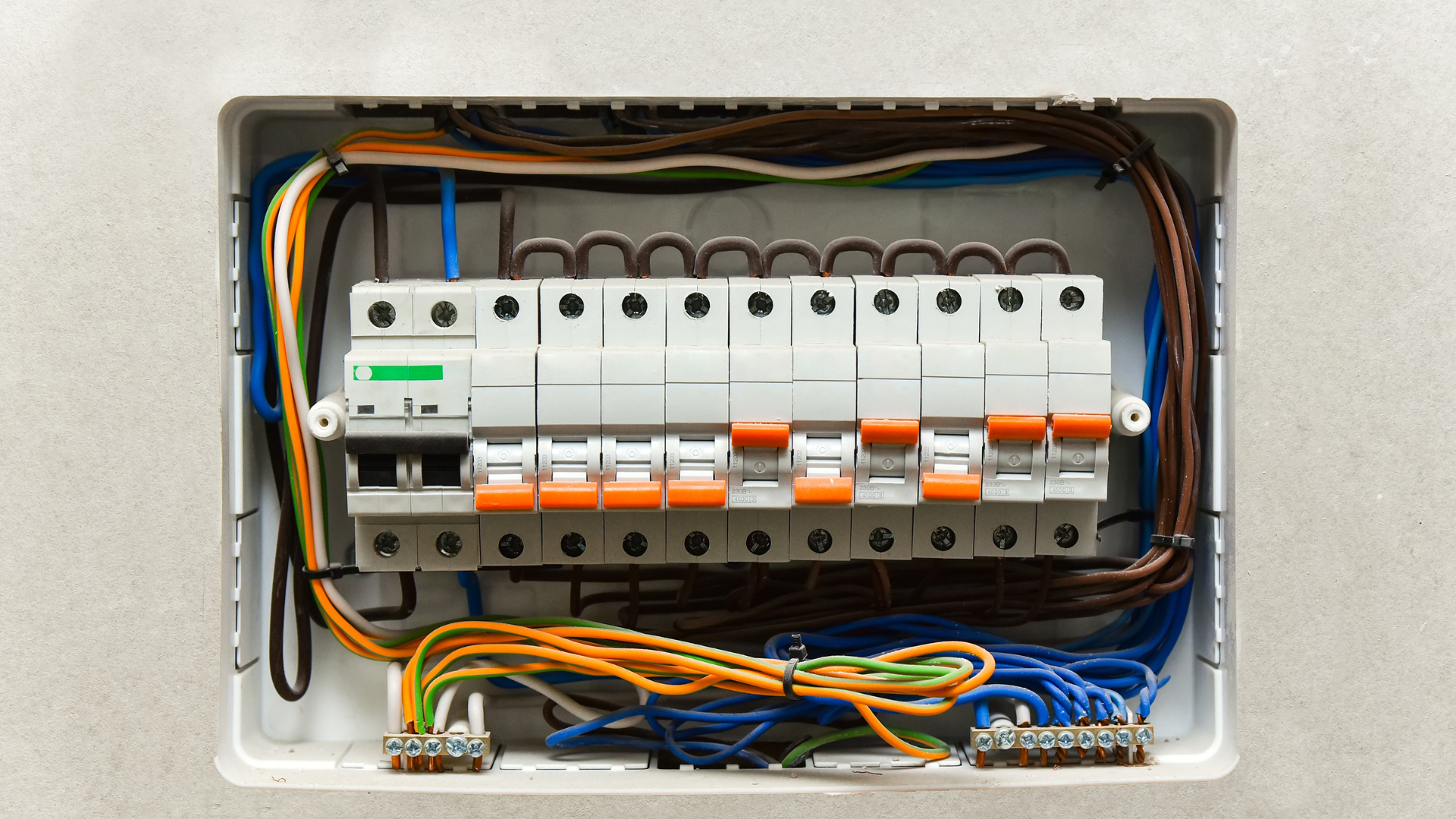
The switchboard is an important part of a home's electrical system. It distributes electricity to different circuits throughout the property and houses protective devices designed to help protect electrical circuits and equipment.
If a home is older or has undergone several electrical upgrades over the years, its existing switchboard may need to be assessed before additional equipment is installed. Available space, the condition of existing components, circuit arrangements and the suitability of protective devices can all influence whether modifications are required.
A switchboard that currently supports everyday household appliances may still need changes to accommodate additional electrical equipment. An appropriately qualified electrician can assess the existing installation and identify any necessary upgrades based on the proposed system and applicable requirements.
Solar Panels Introduce New Electricity Generation
A solar system changes how electricity enters and is used within a property. Instead of relying entirely on electricity supplied by the grid, the home can generate electricity from sunlight through rooftop solar panels and associated equipment, typically including an inverter.
Integrating this generation into an existing electrical installation requires consideration of the connection arrangements, system capacity, protection requirements and compatibility with the property's electrical infrastructure. The existing switchboard may need modifications depending on the proposed solar system and the condition of the installation.
Before installing solar, it is important to assess how the new system will connect to the home's existing electrical network. Proper planning helps ensure that the proposed installation is suitable for the property and meets relevant technical and regulatory requirements.
Batteries Add Another Layer of Complexity
A home battery system allows electricity to be stored for later use. When integrated with solar, a battery may store excess generation for use when solar production is lower, depending on the system configuration and operating settings.
However, adding a battery involves more than choosing a suitable storage capacity. The installation must account for the battery equipment, inverter or power conversion equipment, electrical connections, protection arrangements and the requirements of the existing installation.
Battery installations in Australia must meet applicable electrical safety and installation requirements, including relevant standards such as AS/NZS 5139, where applicable. The appropriate requirements depend on the installation and system configuration.
Assessing the existing switchboard and electrical infrastructure before installation can help identify any modifications needed to integrate the battery system appropriately.
EV Chargers Can Add Significant Electrical Demand
Installing an EV charger introduces another electrical load that needs to be considered alongside the home's existing appliances. Depending on the charger and vehicle, charging can require a substantial amount of electricity over an extended period.
A property that already uses air conditioning, electric hot water, cooking appliances and other high-demand equipment may have different electrical capacity requirements from a home with fewer major loads. The suitability of an EV charger therefore depends on more than the charger's advertised output.
Before installation, an electrician may need to assess several factors:
Existing Household Loads – What electrical equipment is already operating in the home?
Available Electrical Capacity – Can the existing installation accommodate the additional demand?
Charger Output – What charging capacity is appropriate for the property and vehicle?
Protection Requirements – What protective devices and arrangements are required?
Cable Requirements – What cable size and installation method are suitable for the proposed circuit?
The right EV charging solution should be selected based on the property's electrical capacity, installation requirements and household needs. In some situations, upgrades or suitable load-management measures may need to be considered.
What Happens When You Add Everything Together?
A home with rooftop solar, battery storage and an EV charger may have a very different electrical demand profile from a property that only uses standard household appliances. Add electric hot water, air conditioning and pool equipment, and the overall system becomes more complex.
Each piece of equipment may be suitable when considered individually, but the combined system still needs to be assessed. Solar generation, battery charging and discharging, EV charging and other household loads can interact in ways that influence electrical demand and system operation.
For example, a homeowner may plan to charge an EV while running air conditioning and other appliances. If the property also has solar and battery storage, the system configuration and energy-management settings may affect how electricity is supplied and used.
Planning each installation separately can overlook important interactions between different electrical systems. Considering the property as a whole helps engineers and electricians identify potential constraints and determine how new equipment can be integrated appropriately.
Start With an Electrical Assessment
Before adding major electrical equipment, it is worth understanding the condition and capabilities of the existing installation. An electrical assessment can help identify potential limitations, determine whether switchboard modifications may be required and evaluate the suitability of the proposed equipment.
It can also help homeowners plan future upgrades more effectively. If solar, battery storage and EV charging are being considered over several years, understanding the property's existing infrastructure can provide a useful starting point for coordinating those installations.
The goal is not simply to make room for new equipment. It is to understand how that equipment will work within the home's electrical system.
Planning Your Next Energy Upgrade With Renostain
Adding solar panels, battery storage or an EV charger can be an important step towards improving how a home generates, stores and uses electricity. However, the existing electrical infrastructure should be considered before installation to help ensure that the proposed system is appropriate for the property.
Renostain supports smarter energy solutions by helping customers understand the technical considerations involved in integrated energy systems. Planning ahead can help identify potential requirements, improve coordination between upgrades and support more informed decisions about your home's energy future.
Considering solar, a home battery or an EV charger? Contact Renostain to discuss your energy requirements and explore the next steps for your property.
However, installing new equipment is not simply a matter of choosing a product and connecting it to the property. The home's existing electrical infrastructure must also be considered to determine whether it can safely and appropriately support the additional equipment. This includes the switchboard, available electrical capacity, circuit arrangements, protective devices and the requirements of the proposed installation.
Understanding these factors before installation can help identify potential limitations, reduce unexpected upgrade costs and support better planning for future energy needs.
Why the Switchboard Matters
The switchboard is an important part of a home's electrical system. It distributes electricity to different circuits throughout the property and houses protective devices designed to help protect electrical circuits and equipment.
If a home is older or has undergone several electrical upgrades over the years, its existing switchboard may need to be assessed before additional equipment is installed. Available space, the condition of existing components, circuit arrangements and the suitability of protective devices can all influence whether modifications are required.
A switchboard that currently supports everyday household appliances may still need changes to accommodate additional electrical equipment. An appropriately qualified electrician can assess the existing installation and identify any necessary upgrades based on the proposed system and applicable requirements.
Solar Panels Introduce New Electricity Generation
A solar system changes how electricity enters and is used within a property. Instead of relying entirely on electricity supplied by the grid, the home can generate electricity from sunlight through rooftop solar panels and associated equipment, typically including an inverter.
Integrating this generation into an existing electrical installation requires consideration of the connection arrangements, system capacity, protection requirements and compatibility with the property's electrical infrastructure. The existing switchboard may need modifications depending on the proposed solar system and the condition of the installation.
Before installing solar, it is important to assess how the new system will connect to the home's existing electrical network. Proper planning helps ensure that the proposed installation is suitable for the property and meets relevant technical and regulatory requirements.
Batteries Add Another Layer of Complexity
A home battery system allows electricity to be stored for later use. When integrated with solar, a battery may store excess generation for use when solar production is lower, depending on the system configuration and operating settings.
However, adding a battery involves more than choosing a suitable storage capacity. The installation must account for the battery equipment, inverter or power conversion equipment, electrical connections, protection arrangements and the requirements of the existing installation.
Battery installations in Australia must meet applicable electrical safety and installation requirements, including relevant standards such as AS/NZS 5139, where applicable. The appropriate requirements depend on the installation and system configuration.
Assessing the existing switchboard and electrical infrastructure before installation can help identify any modifications needed to integrate the battery system appropriately.
EV Chargers Can Add Significant Electrical Demand
Installing an EV charger introduces another electrical load that needs to be considered alongside the home's existing appliances. Depending on the charger and vehicle, charging can require a substantial amount of electricity over an extended period.
A property that already uses air conditioning, electric hot water, cooking appliances and other high-demand equipment may have different electrical capacity requirements from a home with fewer major loads. The suitability of an EV charger therefore depends on more than the charger's advertised output.
Before installation, an electrician may need to assess several factors:
Existing Household Loads – What electrical equipment is already operating in the home?
Available Electrical Capacity – Can the existing installation accommodate the additional demand?
Charger Output – What charging capacity is appropriate for the property and vehicle?
Protection Requirements – What protective devices and arrangements are required?
Cable Requirements – What cable size and installation method are suitable for the proposed circuit?
The right EV charging solution should be selected based on the property's electrical capacity, installation requirements and household needs. In some situations, upgrades or suitable load-management measures may need to be considered.
What Happens When You Add Everything Together?
A home with rooftop solar, battery storage and an EV charger may have a very different electrical demand profile from a property that only uses standard household appliances. Add electric hot water, air conditioning and pool equipment, and the overall system becomes more complex.
Each piece of equipment may be suitable when considered individually, but the combined system still needs to be assessed. Solar generation, battery charging and discharging, EV charging and other household loads can interact in ways that influence electrical demand and system operation.
For example, a homeowner may plan to charge an EV while running air conditioning and other appliances. If the property also has solar and battery storage, the system configuration and energy-management settings may affect how electricity is supplied and used.
Planning each installation separately can overlook important interactions between different electrical systems. Considering the property as a whole helps engineers and electricians identify potential constraints and determine how new equipment can be integrated appropriately.
Start With an Electrical Assessment
Before adding major electrical equipment, it is worth understanding the condition and capabilities of the existing installation. An electrical assessment can help identify potential limitations, determine whether switchboard modifications may be required and evaluate the suitability of the proposed equipment.
It can also help homeowners plan future upgrades more effectively. If solar, battery storage and EV charging are being considered over several years, understanding the property's existing infrastructure can provide a useful starting point for coordinating those installations.
The goal is not simply to make room for new equipment. It is to understand how that equipment will work within the home's electrical system.
Planning Your Next Energy Upgrade With Renostain
Adding solar panels, battery storage or an EV charger can be an important step towards improving how a home generates, stores and uses electricity. However, the existing electrical infrastructure should be considered before installation to help ensure that the proposed system is appropriate for the property.
Renostain supports smarter energy solutions by helping customers understand the technical considerations involved in integrated energy systems. Planning ahead can help identify potential requirements, improve coordination between upgrades and support more informed decisions about your home's energy future.
Considering solar, a home battery or an EV charger? Contact Renostain to discuss your energy requirements and explore the next steps for your property.