
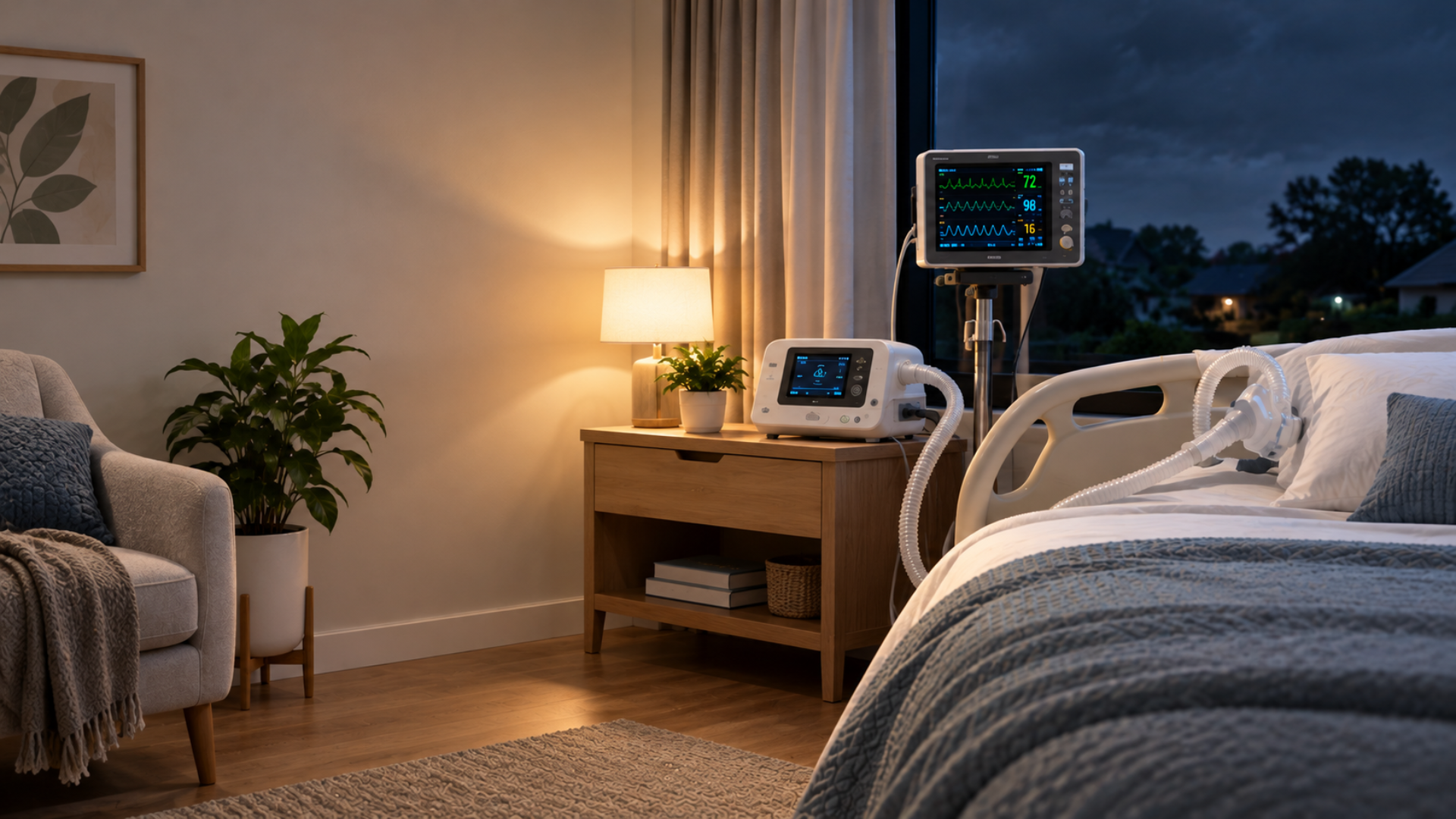
When the power goes out, most households can manage without electricity for a few hours. However, for people who rely on electrically powered medical equipment, even a short interruption can create serious concerns.
In Western Australia, unexpected outages can occur during severe weather, network faults or other disruptions. For households that depend on equipment such as oxygen concentrators, respiratory devices or medicine refrigeration, having a reliable backup electricity plan can be particularly important.
A home battery may help supply electricity to selected equipment during an outage, but not every battery installation automatically provides backup power to every appliance. The system needs to be designed around the equipment's requirements, expected operating time and the household's wider electrical needs.
Which Medical Devices May Require Backup Electricity?
The first step is identifying which devices need to remain operational when the normal electricity supply is interrupted.
Depending on the person's circumstances, this may include:
Before planning a battery system, check the manufacturer's power specifications and consult the relevant healthcare professional about the equipment's backup requirements.
It is also important to distinguish between equipment that is convenient to keep running and equipment that is essential for health or safety. That distinction affects the level of backup reliability needed.
How a Home Battery Can Help During a Blackout
A standard solar system may shut down during a grid outage, even when the sun is shining. This is because grid-connected inverters generally need to stop supplying power to the grid during an outage unless the system includes suitable backup capability.
A compatible home battery system can operate differently. When designed and configured for backup, it can supply electricity to designated circuits while the grid is unavailable.
However, several components need to work together.
The battery determines how much energy is available. Inverter power output determines how much power can be supplied at once. The backup configuration determines which circuits receive electricity during an outage.
For example, a household might prioritise a medical device, refrigerator and selected lights rather than attempting to power every appliance in the house. This can help preserve stored energy for the most important loads.
The exact arrangement depends on the equipment, the property's electrical installation and the backup design.
How Long Could a Home Battery Run Medical Equipment?
Battery capacity is measured in kilowatt-hours (kWh), while electrical power is measured in kilowatts (kW). Both matter when estimating backup capability.
A simple starting calculation is:
Estimated runtime = usable battery energy ÷ average electrical load
Consider an illustrative example. Suppose 3 kWh of battery energy is available for a medical device that draws an average of 150 watts, equivalent to 0.15 kW.
The theoretical runtime would be:
3 kWh ÷ 0.15 kW = 20 hours
However, this is only a simplified estimate. Actual runtime can be shorter because of conversion losses, battery reserve settings, changes in the device's power consumption and other connected loads.
If the battery also powers a refrigerator, lighting or an internet router, those appliances will use part of the available energy.
For this reason, a backup assessment should consider the combined load rather than calculating runtime for one device in isolation.
The Details That Matter Before Installation
A battery's advertised capacity is not enough to establish whether it can support medical equipment reliably.
Before installation, consider the following:
A home battery should not be assumed to provide uninterrupted power simply because it has a backup function.
What Happens if the Outage Lasts Longer Than Expected?
This is one of the most important questions to answer before relying on battery storage.
A battery may provide power for a certain period, but an extended outage can exhaust the available energy. Solar panels may help recharge a compatible system during daylight, but only if the installation supports solar operation during an outage and conditions allow sufficient generation.
Cloud cover, high household consumption and the system's operating limits can all affect recharging.
Households that depend on electrically powered medical equipment should therefore have a contingency plan that does not rely entirely on stored battery energy. Depending on individual needs, this may involve a suitable secondary power supply, an alternative location or arrangements recommended by the healthcare provider and relevant emergency services.
Planning a Home Battery Around Essential Loads
The most useful starting point is a list of the equipment that must remain powered, its expected operating hours and the minimum backup period required.
From there, the electrical design can consider battery capacity, inverter output, circuit selection and recharging arrangements.
Renostain can help assess a property's energy requirements and discuss battery and electrical solutions. Where medical equipment is involved, the final plan should be coordinated with the equipment manufacturer and the person's healthcare team.
Need to plan backup electricity for essential household equipment? Contact Renostain to discuss your property's energy requirements.
In Western Australia, unexpected outages can occur during severe weather, network faults or other disruptions. For households that depend on equipment such as oxygen concentrators, respiratory devices or medicine refrigeration, having a reliable backup electricity plan can be particularly important.
A home battery may help supply electricity to selected equipment during an outage, but not every battery installation automatically provides backup power to every appliance. The system needs to be designed around the equipment's requirements, expected operating time and the household's wider electrical needs.
Which Medical Devices May Require Backup Electricity?
The first step is identifying which devices need to remain operational when the normal electricity supply is interrupted.
Depending on the person's circumstances, this may include:
- Oxygen concentrators and certain respiratory support devices.
- CPAP machines and other prescribed breathing equipment.
- Refrigerators used to store temperature-sensitive medicines.
- Electric adjustable beds.
- Home monitoring equipment.
- Other electrically powered devices recommended by a healthcare professional.
Before planning a battery system, check the manufacturer's power specifications and consult the relevant healthcare professional about the equipment's backup requirements.
It is also important to distinguish between equipment that is convenient to keep running and equipment that is essential for health or safety. That distinction affects the level of backup reliability needed.
How a Home Battery Can Help During a Blackout
A standard solar system may shut down during a grid outage, even when the sun is shining. This is because grid-connected inverters generally need to stop supplying power to the grid during an outage unless the system includes suitable backup capability.
A compatible home battery system can operate differently. When designed and configured for backup, it can supply electricity to designated circuits while the grid is unavailable.
However, several components need to work together.
The battery determines how much energy is available. Inverter power output determines how much power can be supplied at once. The backup configuration determines which circuits receive electricity during an outage.
For example, a household might prioritise a medical device, refrigerator and selected lights rather than attempting to power every appliance in the house. This can help preserve stored energy for the most important loads.
The exact arrangement depends on the equipment, the property's electrical installation and the backup design.
How Long Could a Home Battery Run Medical Equipment?
Battery capacity is measured in kilowatt-hours (kWh), while electrical power is measured in kilowatts (kW). Both matter when estimating backup capability.
A simple starting calculation is:
Estimated runtime = usable battery energy ÷ average electrical load
Consider an illustrative example. Suppose 3 kWh of battery energy is available for a medical device that draws an average of 150 watts, equivalent to 0.15 kW.
The theoretical runtime would be:
3 kWh ÷ 0.15 kW = 20 hours
However, this is only a simplified estimate. Actual runtime can be shorter because of conversion losses, battery reserve settings, changes in the device's power consumption and other connected loads.
If the battery also powers a refrigerator, lighting or an internet router, those appliances will use part of the available energy.
For this reason, a backup assessment should consider the combined load rather than calculating runtime for one device in isolation.
The Details That Matter Before Installation
A battery's advertised capacity is not enough to establish whether it can support medical equipment reliably.
Before installation, consider the following:
- Continuous power demand: Determine how much electricity the equipment uses while operating.
- Starting or peak demand: Check whether the device temporarily requires more power when starting.
- Required operating time: Establish how long backup electricity may be needed.
- Backup circuit arrangement: Confirm whether the equipment will receive power during an outage.
- Battery reserve: Determine how much energy will be available when an outage begins.
- Recharging capability: Check whether solar or another approved source can replenish the battery.
- Changeover behaviour: Establish whether the equipment experiences an interruption when the power supply changes.
A home battery should not be assumed to provide uninterrupted power simply because it has a backup function.
What Happens if the Outage Lasts Longer Than Expected?
This is one of the most important questions to answer before relying on battery storage.
A battery may provide power for a certain period, but an extended outage can exhaust the available energy. Solar panels may help recharge a compatible system during daylight, but only if the installation supports solar operation during an outage and conditions allow sufficient generation.
Cloud cover, high household consumption and the system's operating limits can all affect recharging.
Households that depend on electrically powered medical equipment should therefore have a contingency plan that does not rely entirely on stored battery energy. Depending on individual needs, this may involve a suitable secondary power supply, an alternative location or arrangements recommended by the healthcare provider and relevant emergency services.
Planning a Home Battery Around Essential Loads
The most useful starting point is a list of the equipment that must remain powered, its expected operating hours and the minimum backup period required.
From there, the electrical design can consider battery capacity, inverter output, circuit selection and recharging arrangements.
Renostain can help assess a property's energy requirements and discuss battery and electrical solutions. Where medical equipment is involved, the final plan should be coordinated with the equipment manufacturer and the person's healthcare team.
Need to plan backup electricity for essential household equipment? Contact Renostain to discuss your property's energy requirements.