
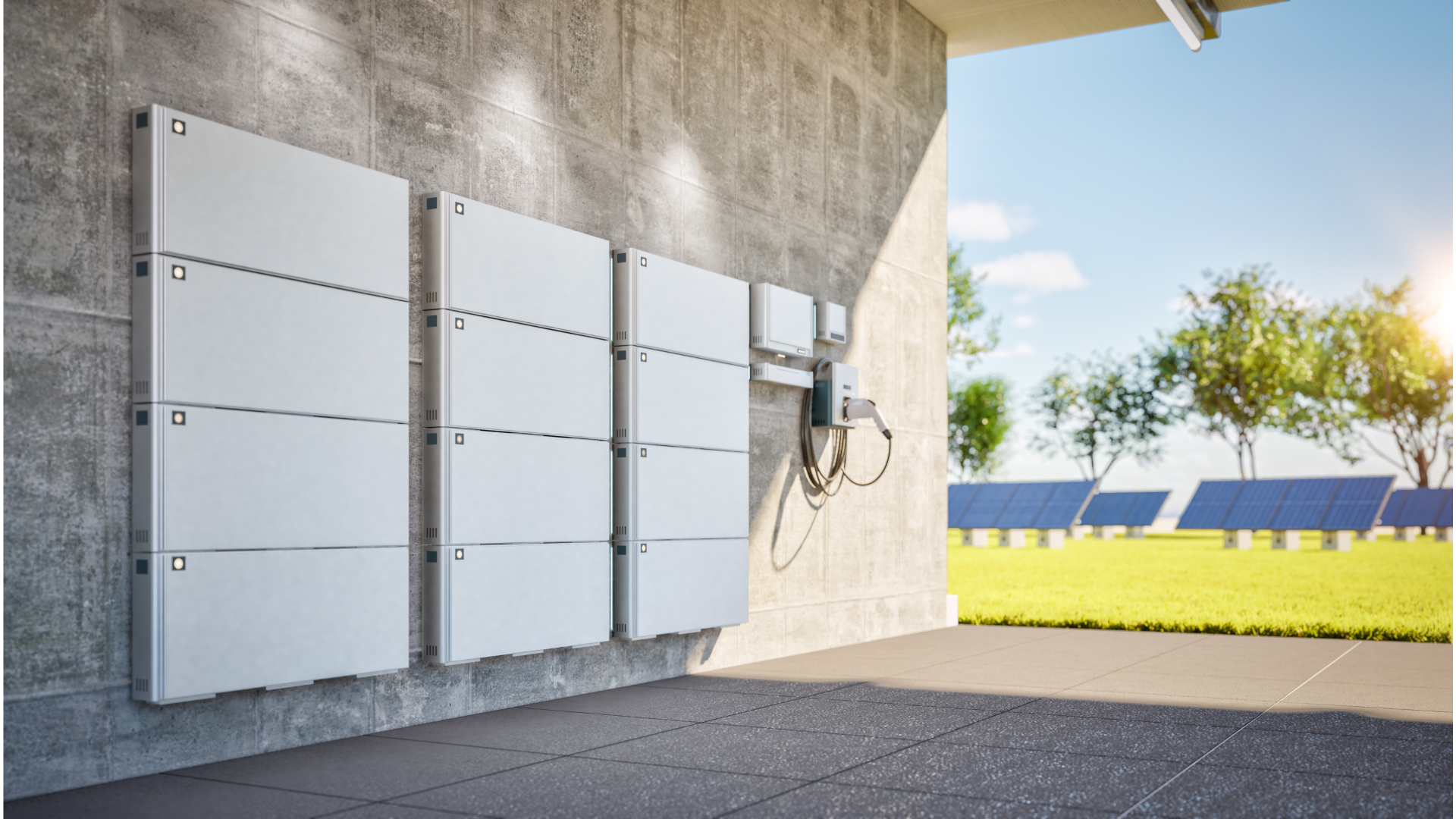
A garage can be an appealing location for a home battery. It may provide convenient access to electrical equipment, keep the system out of the main living area and offer some protection from direct sunlight.
However, a garage is not automatically a suitable location for every home battery.
The right installation depends on the specific battery technology, manufacturer instructions, building layout, environmental conditions and applicable Australian electrical safety requirements.
Before choosing a location, it is important to look beyond convenience and assess how the battery will operate safely over its service life.
Is a Garage Suitable for a Home Battery?
Potentially, yes—but suitability must be assessed for the specific product and property.
Some batteries are designed for particular indoor or outdoor locations, while others have restrictions that may make a proposed garage installation unsuitable.
A qualified installer should assess the battery manufacturer's instructions and applicable requirements, including AS/NZS 5139 where relevant. In Western Australia, battery installation work must meet applicable electrical licensing and safety requirements.
The assessment should consider the following factors.
1. Ventilation Depends on the Battery Technology
The word battery covers different technologies, and ventilation requirements are not identical for all of them.
For example, lead-acid batteries can release hydrogen during charging, creating a need for suitable ventilation and carefully designed installation arrangements.
Modern lithium-ion batteries have different characteristics, and ventilation requirements depend on the product and the installation design. Do not assume that adding a fan or opening a garage door makes an unsuitable location compliant.
Ask the installer to explain the ventilation requirements for the exact battery model you are considering.
2. Temperature Can Affect Battery Performance
Garages can become hot, especially during WA summers. Temperatures may rise further in garages with poor insulation, limited airflow or direct afternoon sun.
Battery products have specified operating temperature ranges. Conditions outside those ranges can affect operation, performance or service life, depending on the technology.
Before installation, consider:
3. Protect the Battery From Vehicles and Stored Items
A garage often contains cars, bicycles, tools, sporting equipment and storage shelves. These can create risks if they obstruct access or expose the battery to accidental impact.
The proposed position should be assessed for potential vehicle collision, mechanical damage and water exposure. Keep the installation area clear and make sure equipment can be accessed for inspection and maintenance.
Do not place heavy items against the battery, cover ventilation openings where these are required, or use the battery enclosure as a storage shelf.
4. Clearances and Wall Materials Matter
Battery installation requirements may specify distances from doors, windows, openings, appliances or other parts of a building. Wall construction and the presence of habitable rooms nearby may also affect where a particular system can be installed.
These requirements are product- and site-dependent. There is no single clearance figure that can safely be applied to every battery.
An installer should check the relevant standard, product instructions and site conditions before finalising the mounting position.
5. Electrical Access and Emergency Procedures Should Be Planned
A safe installation should include appropriate electrical protection, labelling and access to required isolation or shutdown equipment.
Household members should know where the relevant instructions are located and what to do if the system displays a fault or shows signs of damage.
Never open a battery enclosure or attempt electrical repairs yourself. If you notice unusual heat, swelling, smoke, a burning smell or other signs of a serious fault, keep away from the equipment and follow emergency guidance. If there is smoke or fire, evacuate and call 000.
Garage Battery Installation Checklist
Before approving the proposed location, ask your installer to confirm the following:
A battery purchase should begin with your household's energy needs and the property's installation conditions. Selecting a product first and trying to fit it into an unsuitable garage can create avoidable complications.
A professional assessment can help determine whether the garage is appropriate, whether another location should be considered and what electrical work may be required.
Planning to add a battery to your solar system? Contact Renostain to discuss your property, energy usage and potential battery installation options.
However, a garage is not automatically a suitable location for every home battery.
The right installation depends on the specific battery technology, manufacturer instructions, building layout, environmental conditions and applicable Australian electrical safety requirements.
Before choosing a location, it is important to look beyond convenience and assess how the battery will operate safely over its service life.
Is a Garage Suitable for a Home Battery?
Potentially, yes—but suitability must be assessed for the specific product and property.
Some batteries are designed for particular indoor or outdoor locations, while others have restrictions that may make a proposed garage installation unsuitable.
A qualified installer should assess the battery manufacturer's instructions and applicable requirements, including AS/NZS 5139 where relevant. In Western Australia, battery installation work must meet applicable electrical licensing and safety requirements.
The assessment should consider the following factors.
1. Ventilation Depends on the Battery Technology
The word battery covers different technologies, and ventilation requirements are not identical for all of them.
For example, lead-acid batteries can release hydrogen during charging, creating a need for suitable ventilation and carefully designed installation arrangements.
Modern lithium-ion batteries have different characteristics, and ventilation requirements depend on the product and the installation design. Do not assume that adding a fan or opening a garage door makes an unsuitable location compliant.
Ask the installer to explain the ventilation requirements for the exact battery model you are considering.
2. Temperature Can Affect Battery Performance
Garages can become hot, especially during WA summers. Temperatures may rise further in garages with poor insulation, limited airflow or direct afternoon sun.
Battery products have specified operating temperature ranges. Conditions outside those ranges can affect operation, performance or service life, depending on the technology.
Before installation, consider:
- Whether the proposed location is exposed to direct sunlight.
- How hot the garage becomes during summer.
- Whether the manufacturer specifies temperature limits.
- Whether the location offers adequate protection from weather and water ingress.
3. Protect the Battery From Vehicles and Stored Items
A garage often contains cars, bicycles, tools, sporting equipment and storage shelves. These can create risks if they obstruct access or expose the battery to accidental impact.
The proposed position should be assessed for potential vehicle collision, mechanical damage and water exposure. Keep the installation area clear and make sure equipment can be accessed for inspection and maintenance.
Do not place heavy items against the battery, cover ventilation openings where these are required, or use the battery enclosure as a storage shelf.
4. Clearances and Wall Materials Matter
Battery installation requirements may specify distances from doors, windows, openings, appliances or other parts of a building. Wall construction and the presence of habitable rooms nearby may also affect where a particular system can be installed.
These requirements are product- and site-dependent. There is no single clearance figure that can safely be applied to every battery.
An installer should check the relevant standard, product instructions and site conditions before finalising the mounting position.
5. Electrical Access and Emergency Procedures Should Be Planned
A safe installation should include appropriate electrical protection, labelling and access to required isolation or shutdown equipment.
Household members should know where the relevant instructions are located and what to do if the system displays a fault or shows signs of damage.
Never open a battery enclosure or attempt electrical repairs yourself. If you notice unusual heat, swelling, smoke, a burning smell or other signs of a serious fault, keep away from the equipment and follow emergency guidance. If there is smoke or fire, evacuate and call 000.
Garage Battery Installation Checklist
Before approving the proposed location, ask your installer to confirm the following:
- The battery model is suitable for the intended installation location.
- Ventilation requirements have been assessed for the battery technology.
- Expected garage temperatures are within the product's permitted conditions.
- The battery is protected from vehicle impact and water ingress.
- Required clearances and wall-surface conditions have been checked.
- Electrical protection, labels and emergency shutdown arrangements are included.
- Installation and commissioning will comply with applicable Australian requirements.
A battery purchase should begin with your household's energy needs and the property's installation conditions. Selecting a product first and trying to fit it into an unsuitable garage can create avoidable complications.
A professional assessment can help determine whether the garage is appropriate, whether another location should be considered and what electrical work may be required.
Planning to add a battery to your solar system? Contact Renostain to discuss your property, energy usage and potential battery installation options.