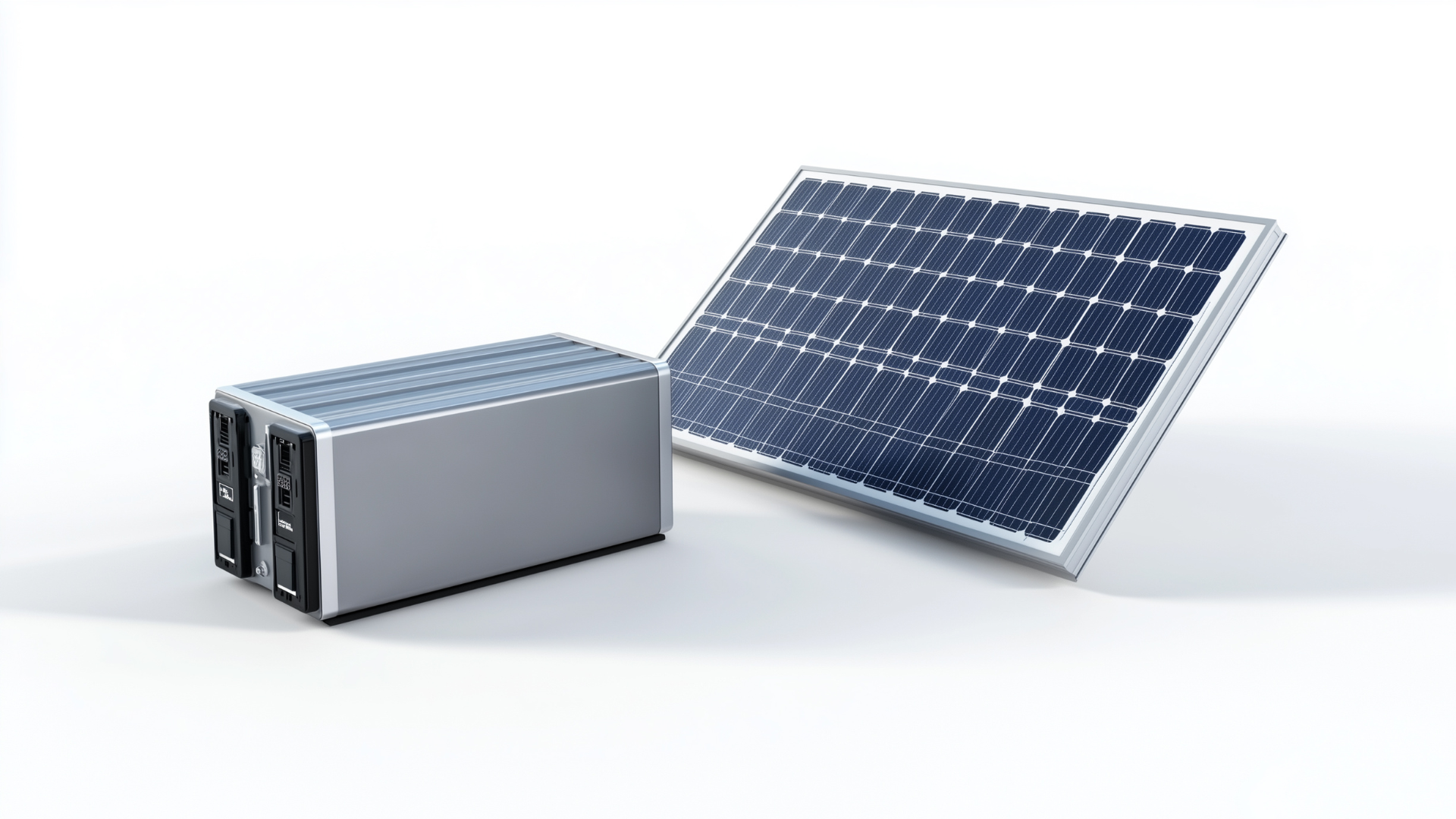
When shopping for a home battery, it's easy to focus on the numbers.
10 kWh. 15 kWh. 20 kWh.
But battery capacity is only one part of the decision.
A home battery becomes part of your property's electrical system, so how it is selected, designed, installed and protected matters just as much as the battery's advertised capacity.
For Australian homeowners considering solar battery storage, understanding the basics of battery installation safety can help you compare systems more confidently and ask the right questions before committing to an installation.
Thinking about battery storage for your home? Talk to our team about your property's energy needs and installation requirements.
Important considerations can include:
Battery location
Installation conditions
Electrical protection
Inverter configuration
Battery chemistry
Isolation and switching
Ventilation and surrounding conditions
Existing solar system
Grid connection
Applicable Australian standards
Backup power requirements
The right installation approach can vary from one property to another. A battery that works well for one home may not be the right solution for another, even if both homes have similar energy requirements.
This is why professional system assessment and installation are important parts of battery safety.
One of the key standards associated with battery energy storage systems is AS/NZS 5139, which covers safety considerations for battery systems used with power conversion equipment.
These requirements exist to help ensure that battery systems are installed, tested and integrated safely with the property's electrical system.
For homeowners, the important takeaway is simple:
Don't treat battery installation as a DIY-style appliance installation.
The battery, inverter, switchboard, protection equipment and electrical connections all need to work together correctly.
However, it is worth asking your installer:
Will the installation comply with the relevant Australian standards?
Where will the battery be installed?
How will the battery be isolated?
What electrical protection is required?
How will the battery connect to the existing solar system?
Will the system provide backup power?
Which circuits will receive backup power?
These questions can help you understand what you're actually purchasing rather than comparing batteries based only on their advertised kWh capacity.
The installation environment, surrounding structures, access, clearances and proximity to areas of the home can all affect how a battery system should be installed.
This means the cheapest or most convenient location isn't necessarily the appropriate location.
A qualified installer should assess the proposed installation area and determine whether it is suitable for the specific battery system and applicable requirements.
The battery should be selected around the property — not the property forced around the battery.
"More kWh means a better battery."
Not necessarily.
Battery capacity tells you how much energy the battery can store, but it doesn't tell you everything about how the system will perform.
Two batteries with similar storage capacity can have different power output, usable capacity, inverter configurations and operating characteristics.
That's why homeowners should understand the difference between kWh and kW.
In simple terms, it tells you how much energy the battery can store.
It helps indicate how much power the battery can deliver at a particular time.
This distinction becomes especially important if you want your battery to support high-demand appliances or provide backup power during a blackout.
A properly designed battery system should be matched to how your household actually uses electricity — not simply sized around the largest kWh number available.
Whether a battery can provide backup power depends on the system design and configuration. Depending on the system, backup may be available for the whole property, selected circuits or particular phases.
This is an important distinction for homeowners.
If blackout protection is one of your main reasons for buying a battery, tell your installer before the system is designed.
Will the battery provide backup during a blackout?
Will it power the whole house or selected circuits?
Which appliances can run during an outage?
How long can the battery provide backup?
Can solar continue charging the battery during an outage?
What happens when the battery reaches a low state of charge?
These questions help make sure your battery system is designed around your actual priorities.
Lower-demand appliances such as lighting, refrigeration and selected household circuits may be easier to support during an outage, while high-demand appliances can require significantly more power.
This is why simply asking "How many kWh is the battery?" isn't enough.
If your goal is backup power, the system should be assessed based on the appliances and circuits you actually want to keep running.
The installation needs to work with the property's existing electrical infrastructure, switchboard, inverter, solar generation and grid connection.
A professional assessment can help identify potential issues before installation and ensure the system is designed appropriately for the property.
For homeowners, this means the installer and system design are just as important as the battery brand or advertised capacity.
A suitable system should consider your:
Current electricity consumption
Solar system size
Energy usage patterns
Peak electrical loads
Desired backup capability
Available installation location
Existing electrical infrastructure
Future energy needs
Budget and expected benefits
The goal is to design a battery system around your home — not simply sell you a battery.
Its safety and performance depend on the battery itself, installation location, electrical protection, inverter configuration, system design, installation quality and compliance with applicable requirements.
For homeowners, the smartest approach is to look beyond the headline number on the battery.
Don't just ask:
"How many kWh does it have?"
Ask:
"Is this system safe, compliant and properly designed for my home?"
That's the question that can help you make a better long-term investment in home energy storage.
Renostain can help assess your energy requirements and discuss battery storage options suited to your property, solar system and backup goals.
Contact Renostain to discuss your solar and battery requirements.
10 kWh. 15 kWh. 20 kWh.
But battery capacity is only one part of the decision.
A home battery becomes part of your property's electrical system, so how it is selected, designed, installed and protected matters just as much as the battery's advertised capacity.
For Australian homeowners considering solar battery storage, understanding the basics of battery installation safety can help you compare systems more confidently and ask the right questions before committing to an installation.
Thinking about battery storage for your home? Talk to our team about your property's energy needs and installation requirements.
What Makes a Home Battery Installation Safe?
A safe battery installation isn't determined by the battery model alone. The system needs to be assessed as part of the property's wider electrical infrastructure.Important considerations can include:
Battery location
Installation conditions
Electrical protection
Inverter configuration
Battery chemistry
Isolation and switching
Ventilation and surrounding conditions
Existing solar system
Grid connection
Applicable Australian standards
Backup power requirements
The right installation approach can vary from one property to another. A battery that works well for one home may not be the right solution for another, even if both homes have similar energy requirements.
This is why professional system assessment and installation are important parts of battery safety.
Why Battery Installation Standards Matter in Australia
Australian battery installations are subject to electrical safety requirements and applicable standards.One of the key standards associated with battery energy storage systems is AS/NZS 5139, which covers safety considerations for battery systems used with power conversion equipment.
These requirements exist to help ensure that battery systems are installed, tested and integrated safely with the property's electrical system.
For homeowners, the important takeaway is simple:
Don't treat battery installation as a DIY-style appliance installation.
The battery, inverter, switchboard, protection equipment and electrical connections all need to work together correctly.
What Does AS/NZS 5139 Mean for Homeowners?
You don't need to become an electrical standards expert before buying a battery.However, it is worth asking your installer:
Will the installation comply with the relevant Australian standards?
Where will the battery be installed?
How will the battery be isolated?
What electrical protection is required?
How will the battery connect to the existing solar system?
Will the system provide backup power?
Which circuits will receive backup power?
These questions can help you understand what you're actually purchasing rather than comparing batteries based only on their advertised kWh capacity.
Where Can a Home Battery Be Installed?
Battery location is an important part of home battery safety in Australia.The installation environment, surrounding structures, access, clearances and proximity to areas of the home can all affect how a battery system should be installed.
This means the cheapest or most convenient location isn't necessarily the appropriate location.
A qualified installer should assess the proposed installation area and determine whether it is suitable for the specific battery system and applicable requirements.
The battery should be selected around the property — not the property forced around the battery.
Why Battery Capacity Isn't the Whole Story
One of the biggest mistakes homeowners make is assuming:"More kWh means a better battery."
Not necessarily.
Battery capacity tells you how much energy the battery can store, but it doesn't tell you everything about how the system will perform.
Two batteries with similar storage capacity can have different power output, usable capacity, inverter configurations and operating characteristics.
That's why homeowners should understand the difference between kWh and kW.
What Does kWh Mean?
kWh (kilowatt-hours) measures energy storage capacity.In simple terms, it tells you how much energy the battery can store.
What Does kW Mean?
kW (kilowatts) measures power.It helps indicate how much power the battery can deliver at a particular time.
This distinction becomes especially important if you want your battery to support high-demand appliances or provide backup power during a blackout.
A properly designed battery system should be matched to how your household actually uses electricity — not simply sized around the largest kWh number available.
Can a Home Battery Power Your House During a Blackout?
Yes, some battery systems can provide backup power — but having a battery does not automatically mean your entire home will stay powered during an outage.Whether a battery can provide backup power depends on the system design and configuration. Depending on the system, backup may be available for the whole property, selected circuits or particular phases.
This is an important distinction for homeowners.
If blackout protection is one of your main reasons for buying a battery, tell your installer before the system is designed.
What Should You Ask About Battery Backup?
Ask:Will the battery provide backup during a blackout?
Will it power the whole house or selected circuits?
Which appliances can run during an outage?
How long can the battery provide backup?
Can solar continue charging the battery during an outage?
What happens when the battery reaches a low state of charge?
These questions help make sure your battery system is designed around your actual priorities.
What Appliances Can a Home Battery Run?
The answer depends on the battery system's power output, inverter capacity, backup configuration and the electrical loads in your home.Lower-demand appliances such as lighting, refrigeration and selected household circuits may be easier to support during an outage, while high-demand appliances can require significantly more power.
This is why simply asking "How many kWh is the battery?" isn't enough.
If your goal is backup power, the system should be assessed based on the appliances and circuits you actually want to keep running.
Why Professional Battery Installation Matters
A home battery installation involves more than mounting a battery and connecting it to a solar system.The installation needs to work with the property's existing electrical infrastructure, switchboard, inverter, solar generation and grid connection.
A professional assessment can help identify potential issues before installation and ensure the system is designed appropriately for the property.
For homeowners, this means the installer and system design are just as important as the battery brand or advertised capacity.
7 Questions to Ask Before Buying a Home Battery
Before choosing a battery system, ask your installer:1. Is this battery suitable for my home's energy usage?
2. How much usable energy will I actually have?
3. What is the battery's power output?
4. Where will the battery be installed?
5. Will the installation comply with applicable Australian standards?
6. Can the system provide backup power during a blackout?
7. Which appliances or circuits will receive backup power?
These questions can help you compare complete battery solutions rather than simply comparing battery prices and storage capacity.How to Choose the Right Home Battery System
The best battery isn't necessarily the one with the highest capacity or the lowest upfront price.A suitable system should consider your:
Current electricity consumption
Solar system size
Energy usage patterns
Peak electrical loads
Desired backup capability
Available installation location
Existing electrical infrastructure
Future energy needs
Budget and expected benefits
The goal is to design a battery system around your home — not simply sell you a battery.
Home Battery Safety: The Key Takeaway
A home battery is much more than a large power bank.Its safety and performance depend on the battery itself, installation location, electrical protection, inverter configuration, system design, installation quality and compliance with applicable requirements.
For homeowners, the smartest approach is to look beyond the headline number on the battery.
Don't just ask:
"How many kWh does it have?"
Ask:
"Is this system safe, compliant and properly designed for my home?"
That's the question that can help you make a better long-term investment in home energy storage.
Thinking About Installing a Home Battery?
If you're considering solar battery storage, the first step is understanding what your home actually needs.Renostain can help assess your energy requirements and discuss battery storage options suited to your property, solar system and backup goals.
Get Your Home Battery System Assessed
Want to know what battery system could work for your home?Contact Renostain to discuss your solar and battery requirements.