
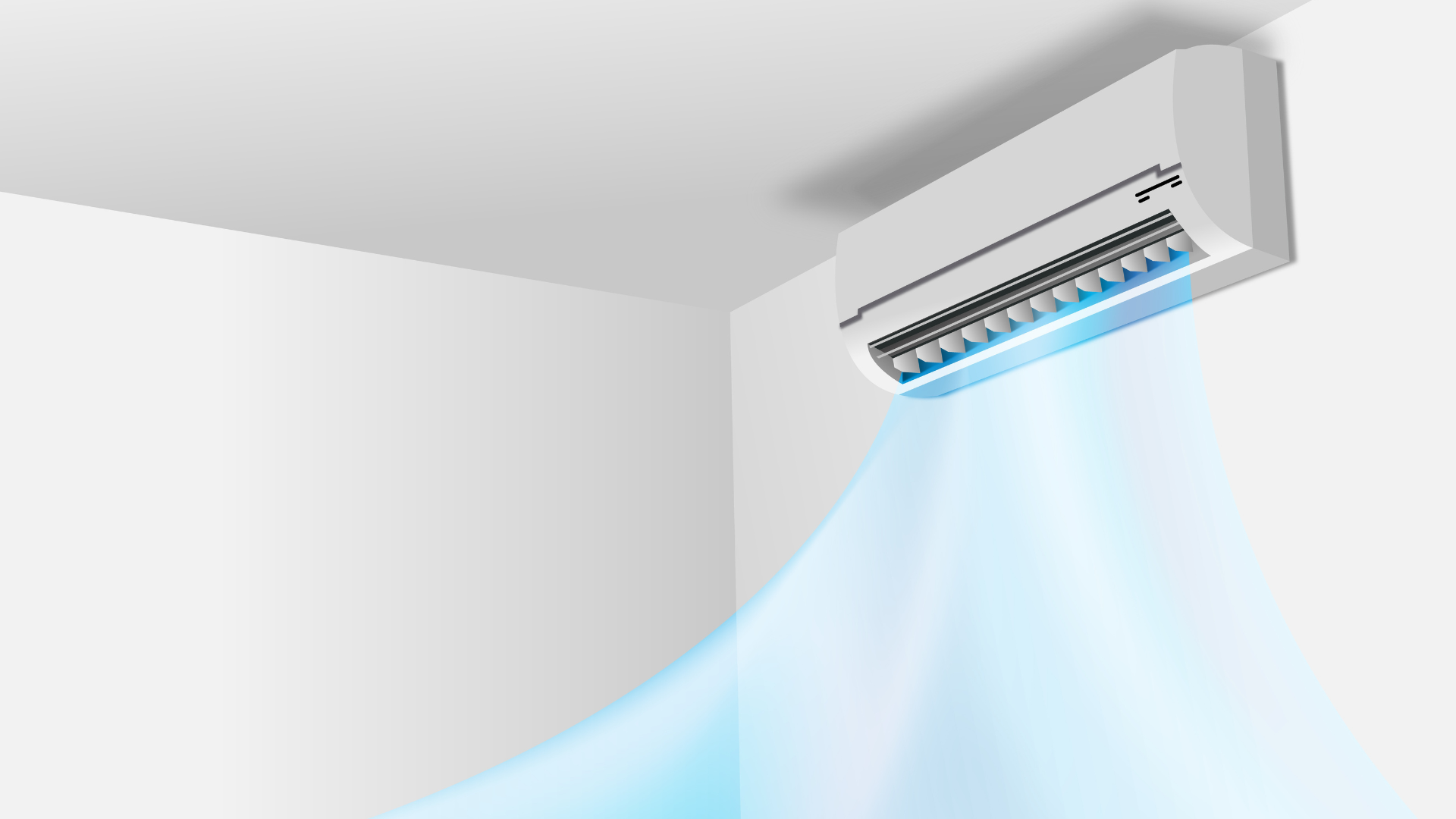
Your air conditioner is running, the windows are closed, and the room still feels warm. You lower the temperature setting, but the unit continues operating for long periods.
It is easy to assume that the air conditioner is too small or needs replacing. In some cases, that may be true. But the problem can also begin with the building itself.
Insulation, window exposure, roof construction and air leakage all influence how much heat enters a home. If the building gains heat faster than the air conditioner can remove it, maintaining a comfortable temperature becomes more difficult.
For Western Australian households preparing for hot weather, understanding the relationship between insulation and cooling can help identify improvements worth investigating.
Why a Home Can Be Difficult to Cool
An air conditioner removes heat from indoor air and transfers it outside. However, heat can continue entering through the roof, walls, windows and gaps around doors.
The greater the heat entering the room, the more work the cooling system may need to do.
Insulation slows heat transfer through building elements. It does not stop every source of heat, but it can help reduce the rate at which outdoor temperatures affect indoor conditions.
That is why an efficient air conditioner and an appropriately insulated home often work better together than an efficient air conditioner operating in a building with significant heat gain.
The Roof Can Be a Major Source of Heat Gain
Roof and ceiling insulation are particularly relevant in homes exposed to prolonged hot weather.
A roof absorbs solar radiation, and heat can transfer into the roof space and through the ceiling. Where insulation is inadequate, unevenly installed or damaged, rooms below may become harder to keep cool.
The effects may be most noticeable in upper-level rooms or spaces directly beneath an exposed roof.
If your home heats up quickly during the afternoon, a suitable inspection of the ceiling insulation may be worthwhile. Any inspection of roof spaces must take account of electrical equipment, safe access and other hazards.
Adding insulation should be planned carefully rather than undertaken without checking the existing construction and ventilation arrangements.
Windows Can Let in More Heat Than You Expect
Insulation is only one part of thermal performance.
A large window exposed to direct afternoon sunlight can allow substantial solar heat to enter a room. This can make a west-facing living room uncomfortable even if the ceiling insulation is adequate.
Consider the difference between a shaded room and one receiving direct sunlight for several hours. Both may have the same floor area, yet the second may require considerably more cooling.
Possible improvements include suitable external shading, blinds or curtains, and reviewing whether the window arrangement contributes to the room's heat load.
The most appropriate option depends on the property's design, orientation and existing glazing.
Air Leakage Can Undermine Cooling Performance
Small gaps around doors, windows and other openings may allow unwanted air movement.
When hot outdoor air enters the building, the cooling system has additional heat to remove. Poorly sealed openings can also make indoor temperatures less consistent.
Check for obvious gaps and worn seals, particularly around external doors and windows. Use appropriate sealing products and avoid blocking ventilation openings that are required for safety or the building's operation.
Air leakage is different from insulation: a home can have reasonable insulation but still perform poorly if unwanted air movement is significant.
Signs That Insulation or Heat Gain May Be Part of the Problem
There is no single symptom that proves poor insulation is responsible. However, certain patterns can help you decide what to investigate.
Rooms heat up quickly after the air conditioner is switched off. This may indicate ongoing heat gain through the building, although other factors can also contribute.
One room is much warmer than the rest of the house. Differences in sunlight, insulation, duct airflow and room layout may explain the variation.
The air conditioner runs for long periods during hot afternoons. The cooling load may be high, the equipment may need servicing or the system may not be appropriately sized.
Upper-level rooms are especially uncomfortable. Roof exposure and ceiling insulation may deserve attention.
These signs are useful starting points, not definitive diagnoses. An air conditioner with dirty filters, restricted airflow, a refrigerant issue or another fault can show similar symptoms.
What Should You Improve First?
The most cost-effective approach is to identify the main source of heat gain before committing to major work.
Ceiling insulation: Inspect its condition, coverage and suitability.
Windows: Use appropriate shading and window coverings.
Doors and openings: Address avoidable gaps and worn seals.
Ducted air conditioning: Check duct condition, insulation and airflow.
Air conditioner: Clean filters and arrange servicing where required.
Whole-home performance: Consider a suitable building-energy assessment.
Not every property needs every improvement. Prioritise the issues that are most relevant to the building and the way the household uses it.
Can Better Insulation Lower Electricity Consumption?
Potentially, yes. If insulation and other improvements reduce the heat entering the home, the air conditioner may need to remove less heat to maintain a comfortable indoor temperature.
That can reduce cooling demand, but the actual effect depends on the starting condition of the property, the quality of the work, the climate, the cooling equipment and how the system is operated.
It is better to identify the home's specific weaknesses than to rely on a generic promise of a fixed percentage saving.
How Insulation Fits Into a Wider Energy Plan
Improving the building's thermal performance can complement efficient cooling equipment and rooftop solar.
For example, reducing afternoon heat gain may help lower the cooling demand that would otherwise coincide with high outdoor temperatures. If the household uses air conditioning during solar generation hours, better thermal performance may also reduce the amount of electricity required during that period.
Renostain can help homeowners explore energy-efficiency and electrical solutions as part of a broader approach to managing household energy use.
Want to investigate why your home is difficult to cool? Contact Renostain to discuss your energy-efficiency options.
It is easy to assume that the air conditioner is too small or needs replacing. In some cases, that may be true. But the problem can also begin with the building itself.
Insulation, window exposure, roof construction and air leakage all influence how much heat enters a home. If the building gains heat faster than the air conditioner can remove it, maintaining a comfortable temperature becomes more difficult.
For Western Australian households preparing for hot weather, understanding the relationship between insulation and cooling can help identify improvements worth investigating.
Why a Home Can Be Difficult to Cool
An air conditioner removes heat from indoor air and transfers it outside. However, heat can continue entering through the roof, walls, windows and gaps around doors.
The greater the heat entering the room, the more work the cooling system may need to do.
Insulation slows heat transfer through building elements. It does not stop every source of heat, but it can help reduce the rate at which outdoor temperatures affect indoor conditions.
That is why an efficient air conditioner and an appropriately insulated home often work better together than an efficient air conditioner operating in a building with significant heat gain.
The Roof Can Be a Major Source of Heat Gain
Roof and ceiling insulation are particularly relevant in homes exposed to prolonged hot weather.
A roof absorbs solar radiation, and heat can transfer into the roof space and through the ceiling. Where insulation is inadequate, unevenly installed or damaged, rooms below may become harder to keep cool.
The effects may be most noticeable in upper-level rooms or spaces directly beneath an exposed roof.
If your home heats up quickly during the afternoon, a suitable inspection of the ceiling insulation may be worthwhile. Any inspection of roof spaces must take account of electrical equipment, safe access and other hazards.
Adding insulation should be planned carefully rather than undertaken without checking the existing construction and ventilation arrangements.
Windows Can Let in More Heat Than You Expect
Insulation is only one part of thermal performance.
A large window exposed to direct afternoon sunlight can allow substantial solar heat to enter a room. This can make a west-facing living room uncomfortable even if the ceiling insulation is adequate.
Consider the difference between a shaded room and one receiving direct sunlight for several hours. Both may have the same floor area, yet the second may require considerably more cooling.
Possible improvements include suitable external shading, blinds or curtains, and reviewing whether the window arrangement contributes to the room's heat load.
The most appropriate option depends on the property's design, orientation and existing glazing.
Air Leakage Can Undermine Cooling Performance
Small gaps around doors, windows and other openings may allow unwanted air movement.
When hot outdoor air enters the building, the cooling system has additional heat to remove. Poorly sealed openings can also make indoor temperatures less consistent.
Check for obvious gaps and worn seals, particularly around external doors and windows. Use appropriate sealing products and avoid blocking ventilation openings that are required for safety or the building's operation.
Air leakage is different from insulation: a home can have reasonable insulation but still perform poorly if unwanted air movement is significant.
Signs That Insulation or Heat Gain May Be Part of the Problem
There is no single symptom that proves poor insulation is responsible. However, certain patterns can help you decide what to investigate.
Rooms heat up quickly after the air conditioner is switched off. This may indicate ongoing heat gain through the building, although other factors can also contribute.
One room is much warmer than the rest of the house. Differences in sunlight, insulation, duct airflow and room layout may explain the variation.
The air conditioner runs for long periods during hot afternoons. The cooling load may be high, the equipment may need servicing or the system may not be appropriately sized.
Upper-level rooms are especially uncomfortable. Roof exposure and ceiling insulation may deserve attention.
These signs are useful starting points, not definitive diagnoses. An air conditioner with dirty filters, restricted airflow, a refrigerant issue or another fault can show similar symptoms.
What Should You Improve First?
The most cost-effective approach is to identify the main source of heat gain before committing to major work.
Ceiling insulation: Inspect its condition, coverage and suitability.
Windows: Use appropriate shading and window coverings.
Doors and openings: Address avoidable gaps and worn seals.
Ducted air conditioning: Check duct condition, insulation and airflow.
Air conditioner: Clean filters and arrange servicing where required.
Whole-home performance: Consider a suitable building-energy assessment.
Not every property needs every improvement. Prioritise the issues that are most relevant to the building and the way the household uses it.
Can Better Insulation Lower Electricity Consumption?
Potentially, yes. If insulation and other improvements reduce the heat entering the home, the air conditioner may need to remove less heat to maintain a comfortable indoor temperature.
That can reduce cooling demand, but the actual effect depends on the starting condition of the property, the quality of the work, the climate, the cooling equipment and how the system is operated.
It is better to identify the home's specific weaknesses than to rely on a generic promise of a fixed percentage saving.
How Insulation Fits Into a Wider Energy Plan
Improving the building's thermal performance can complement efficient cooling equipment and rooftop solar.
For example, reducing afternoon heat gain may help lower the cooling demand that would otherwise coincide with high outdoor temperatures. If the household uses air conditioning during solar generation hours, better thermal performance may also reduce the amount of electricity required during that period.
Renostain can help homeowners explore energy-efficiency and electrical solutions as part of a broader approach to managing household energy use.
Want to investigate why your home is difficult to cool? Contact Renostain to discuss your energy-efficiency options.