solar panels does not automatically mean a home is using all the electricity those panels generate.
One of the biggest challenges with rooftop solar is timing.
Solar generation is usually highest during the day, while many households use more electricity before and after work.
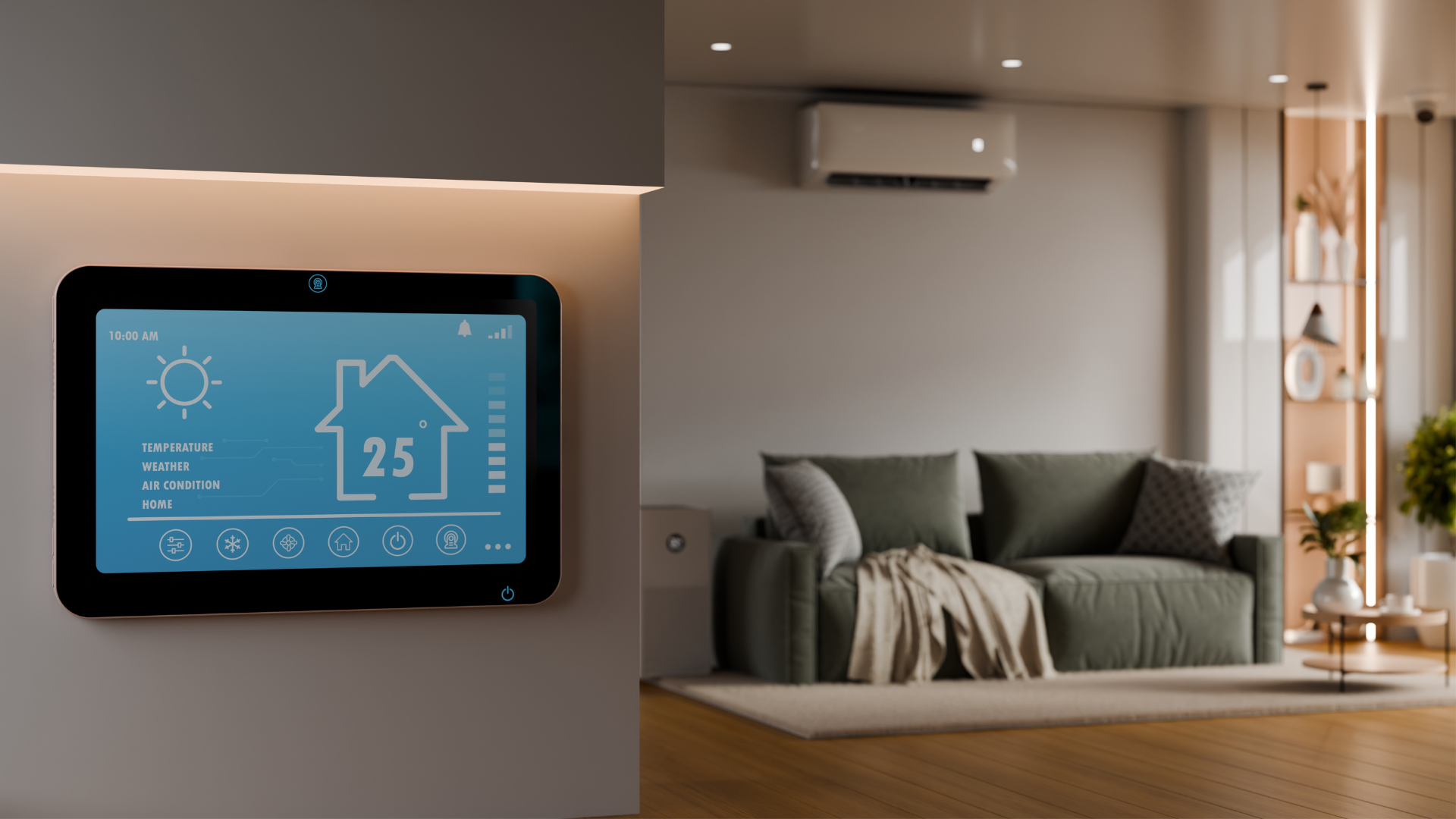
A smart home energy system can help coordinate when certain appliances and energy systems operate.
Your Solar and Your Lifestyle Don't Always Match
Imagine your solar system is generating strongly at 11am.
The house may only be using electricity for the refrigerator, internet equipment and a few other appliances.
At the same time, the people living in the home may be at work or school.
Later that evening, everyone returns home and starts using lights, cooking appliances, air conditioning, hot water and other equipment.
Solar production may already have dropped significantly.
This creates a timing gap between when electricity is generated and when electricity is needed.
What Can a Smart Energy System Control?
Depending on the system, connected energy equipment can include solar PV, batteries, EV chargers, hot water systems, air conditioning and other appliances.
Australian government guidance identifies these technologies as part of the growing consumer energy resources ecosystem, with energy management systems helping households coordinate generation, storage and consumption.
Instead of treating every device separately, energy management can coordinate them around the home's available electricity.
Your EV Could Become Part of the Energy System
An EV is not necessarily just another electricity load.
With smart charging, the vehicle can be scheduled to charge when electricity is cheaper or when rooftop solar is generating excess power.
Australian Government guidance specifically recommends considering smart charging or an energy management system to automatically charge an EV when solar generation is available or electricity prices are lower.
This becomes even more interesting as vehicle-to-grid technology develops. V2G can allow compatible EVs to send stored electricity back to the grid under suitable arrangements.
Smart Doesn't Mean Every Appliance Needs an App
A smart energy system isn't necessarily about controlling everything from your phone.
The bigger purpose is coordinating energy use.
For example, a system could be configured so that an EV charges during periods of available solar, a battery stores excess generation, and selected appliances operate at suitable times.
The result is a home where solar generation, storage and electricity consumption can work together rather than operating independently.
Is Smart Energy Management Worth Considering?
It can be particularly relevant for households that already have several energy technologies, such as solar, batteries, an EV, electric hot water or significant air-conditioning loads.
Rather than adding another device without considering the bigger picture, homeowners can first assess how their current system generates and uses electricity.
FAQ
Can smart home systems control solar power?
Energy management systems can monitor and coordinate connected energy technologies, depending on the equipment and system configuration.
Can smart charging use solar power?
Yes. Smart EV charging can be configured to make use of available rooftop solar generation.
Can solar, batteries and an EV work together?
Yes. These technologies can be coordinated as part of a broader home energy management system.
One of the biggest challenges with rooftop solar is timing.
Solar generation is usually highest during the day, while many households use more electricity before and after work.
A smart home energy system can help coordinate when certain appliances and energy systems operate.
Your Solar and Your Lifestyle Don't Always Match
Imagine your solar system is generating strongly at 11am.
The house may only be using electricity for the refrigerator, internet equipment and a few other appliances.
At the same time, the people living in the home may be at work or school.
Later that evening, everyone returns home and starts using lights, cooking appliances, air conditioning, hot water and other equipment.
Solar production may already have dropped significantly.
This creates a timing gap between when electricity is generated and when electricity is needed.
What Can a Smart Energy System Control?
Depending on the system, connected energy equipment can include solar PV, batteries, EV chargers, hot water systems, air conditioning and other appliances.
Australian government guidance identifies these technologies as part of the growing consumer energy resources ecosystem, with energy management systems helping households coordinate generation, storage and consumption.
Instead of treating every device separately, energy management can coordinate them around the home's available electricity.
Your EV Could Become Part of the Energy System
An EV is not necessarily just another electricity load.
With smart charging, the vehicle can be scheduled to charge when electricity is cheaper or when rooftop solar is generating excess power.
Australian Government guidance specifically recommends considering smart charging or an energy management system to automatically charge an EV when solar generation is available or electricity prices are lower.
This becomes even more interesting as vehicle-to-grid technology develops. V2G can allow compatible EVs to send stored electricity back to the grid under suitable arrangements.
Smart Doesn't Mean Every Appliance Needs an App
A smart energy system isn't necessarily about controlling everything from your phone.
The bigger purpose is coordinating energy use.
For example, a system could be configured so that an EV charges during periods of available solar, a battery stores excess generation, and selected appliances operate at suitable times.
The result is a home where solar generation, storage and electricity consumption can work together rather than operating independently.
Is Smart Energy Management Worth Considering?
It can be particularly relevant for households that already have several energy technologies, such as solar, batteries, an EV, electric hot water or significant air-conditioning loads.
Rather than adding another device without considering the bigger picture, homeowners can first assess how their current system generates and uses electricity.
FAQ
Can smart home systems control solar power?
Energy management systems can monitor and coordinate connected energy technologies, depending on the equipment and system configuration.
Can smart charging use solar power?
Yes. Smart EV charging can be configured to make use of available rooftop solar generation.
Can solar, batteries and an EV work together?
Yes. These technologies can be coordinated as part of a broader home energy management system.