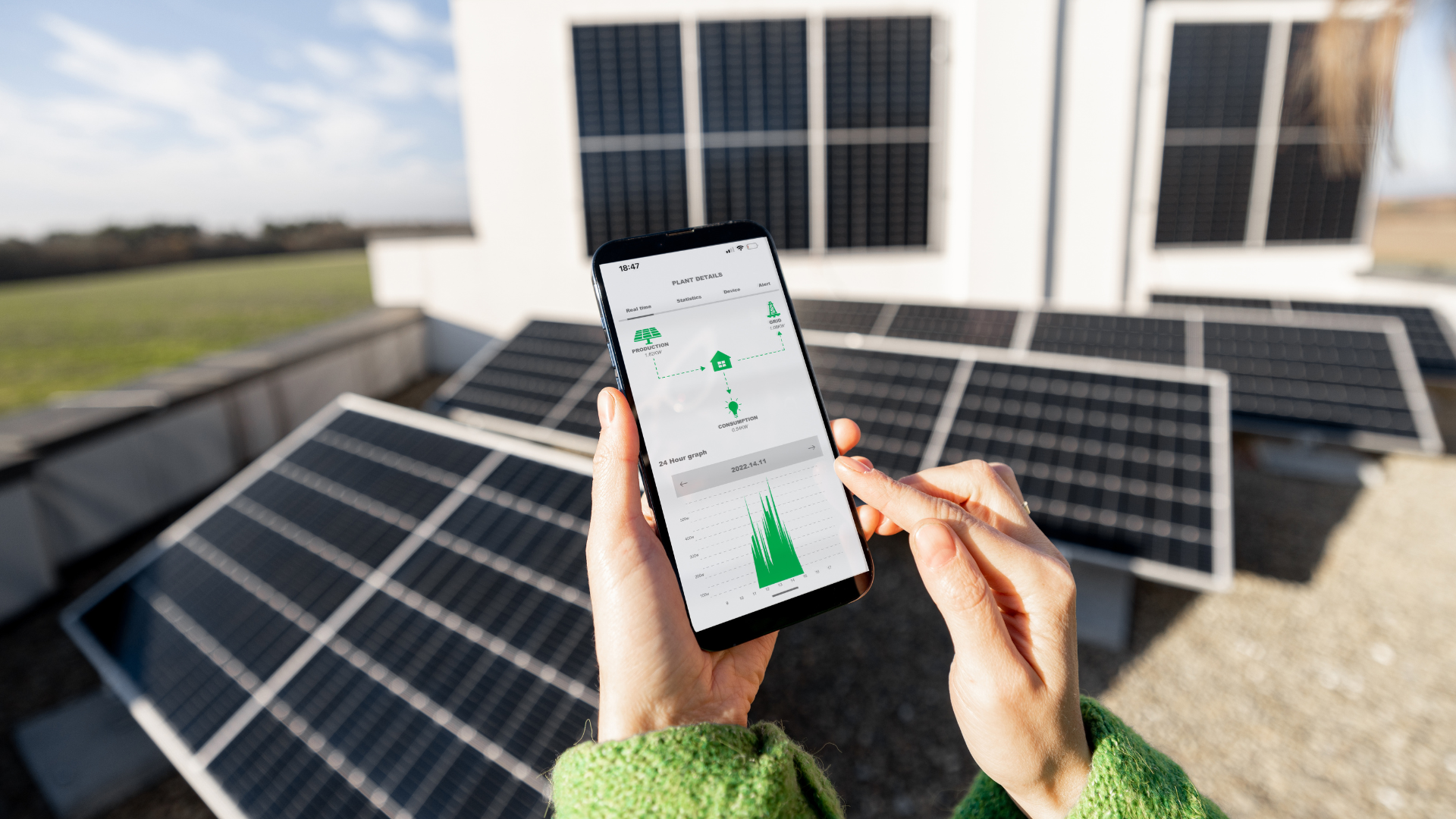
Installing more solar panels does not necessarily mean you can send all of the electricity they generate to the grid.
One factor that can affect solar system design is the property's export limit.
For homeowners considering a larger solar system, understanding export limits can help explain why a proposed system may have a particular inverter configuration or why excess generation may sometimes be curtailed.
What Is a Solar Export Limit?
A solar export limit controls how much electricity a property can send to the electricity grid from its rooftop solar system.
It is different from the total amount of electricity the panels can generate.
For example, your solar panels might be capable of producing more electricity than your property is currently using, but the property's grid connection may restrict how much of that excess can be exported.
Australian Government guidance explains that local distribution network service providers can set limits on both the size of the solar inverter and the amount of electricity that can be exported.
Why Do Export Limits Exist?
Electricity networks need to manage electricity flows safely and reliably.
As rooftop solar becomes more common, there can be periods when many properties are generating electricity at the same time.
Network operators therefore establish connection and export requirements for different areas and connection types.
The specific requirements depend on the local network.
Export Limit vs Inverter Limit
These are two different concepts.
An inverter connection limit relates to the maximum inverter capacity that can be connected to the network.
An export limit relates to how much electricity the system is allowed to send into the grid.
For example, Australian Government guidance gives an example where a property may be permitted to install a larger inverter but have a lower export limit. In that situation, export limiting equipment can restrict the amount of electricity sent to the grid.
What Happens to Extra Solar Electricity?
If your home is using electricity while the solar system is generating, some solar electricity can be consumed immediately.
If generation exceeds your property's demand, the excess may be exported to the grid.
A battery can also store some of that excess electricity for later use.
But if the system reaches its export limit and there is nowhere else for the excess generation to go, some generation may be curtailed.
Australian Government guidance refers to this as curtailment.
Why Does This Matter When Designing a Solar System?
Export limits can affect how a solar system should be configured.
Instead of simply asking:
“How many solar panels can fit on the roof?”
the design process should also consider:
electricity consumption
inverter capacity
grid connection
export requirements
battery storage
future electricity demand
available roof space
network conditions.
This becomes particularly important for larger residential and commercial systems.
Can a Battery Help?
Potentially.
A battery can store excess solar electricity that might otherwise be exported or curtailed.
The stored energy can then be used later when the property needs electricity.
Australian Government guidance identifies reducing curtailment and increasing solar self-consumption among the potential benefits of battery storage.
One factor that can affect solar system design is the property's export limit.
For homeowners considering a larger solar system, understanding export limits can help explain why a proposed system may have a particular inverter configuration or why excess generation may sometimes be curtailed.
What Is a Solar Export Limit?
A solar export limit controls how much electricity a property can send to the electricity grid from its rooftop solar system.
It is different from the total amount of electricity the panels can generate.
For example, your solar panels might be capable of producing more electricity than your property is currently using, but the property's grid connection may restrict how much of that excess can be exported.
Australian Government guidance explains that local distribution network service providers can set limits on both the size of the solar inverter and the amount of electricity that can be exported.
Why Do Export Limits Exist?
Electricity networks need to manage electricity flows safely and reliably.
As rooftop solar becomes more common, there can be periods when many properties are generating electricity at the same time.
Network operators therefore establish connection and export requirements for different areas and connection types.
The specific requirements depend on the local network.
Export Limit vs Inverter Limit
These are two different concepts.
An inverter connection limit relates to the maximum inverter capacity that can be connected to the network.
An export limit relates to how much electricity the system is allowed to send into the grid.
For example, Australian Government guidance gives an example where a property may be permitted to install a larger inverter but have a lower export limit. In that situation, export limiting equipment can restrict the amount of electricity sent to the grid.
What Happens to Extra Solar Electricity?
If your home is using electricity while the solar system is generating, some solar electricity can be consumed immediately.
If generation exceeds your property's demand, the excess may be exported to the grid.
A battery can also store some of that excess electricity for later use.
But if the system reaches its export limit and there is nowhere else for the excess generation to go, some generation may be curtailed.
Australian Government guidance refers to this as curtailment.
Why Does This Matter When Designing a Solar System?
Export limits can affect how a solar system should be configured.
Instead of simply asking:
“How many solar panels can fit on the roof?”
the design process should also consider:
electricity consumption
inverter capacity
grid connection
export requirements
battery storage
future electricity demand
available roof space
network conditions.
This becomes particularly important for larger residential and commercial systems.
Can a Battery Help?
Potentially.
A battery can store excess solar electricity that might otherwise be exported or curtailed.
The stored energy can then be used later when the property needs electricity.
Australian Government guidance identifies reducing curtailment and increasing solar self-consumption among the potential benefits of battery storage.