It's 2 PM.
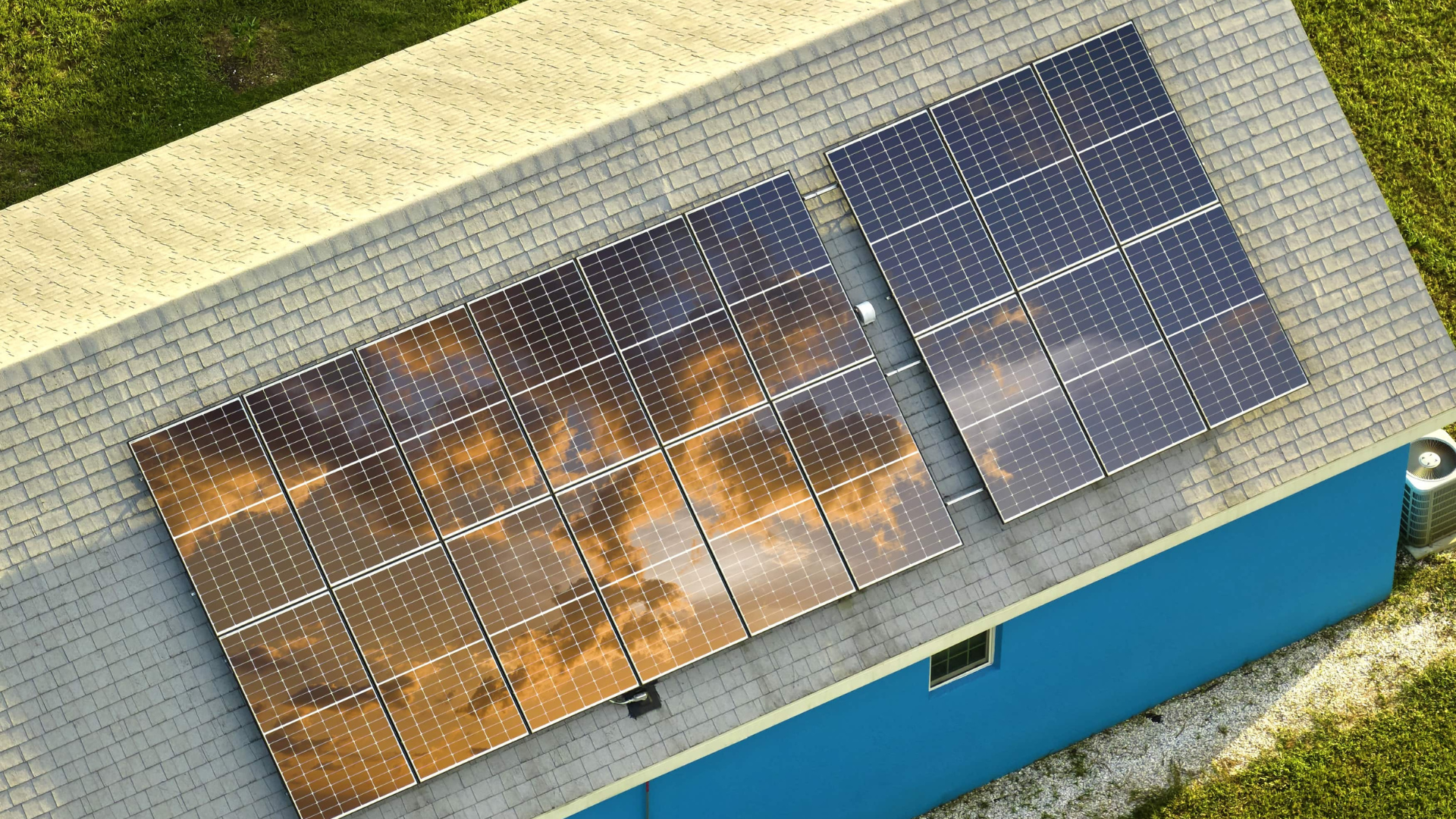
The temperature is climbing. Your air conditioner is running. Your home is using more electricity than usual—and at the same time, your rooftop solar panels may be producing some of their highest output of the day.
At first, this sounds like the perfect combination.
And in many cases, it can be.
For Australian homeowners, particularly those dealing with hot summer conditions, air conditioning can be one of the major contributors to increased household electricity consumption. The interesting part is that the periods when cooling demand rises can also overlap with the hours when rooftop solar generation is strongest.
This creates an important relationship between solar generation and air conditioning demand.
Instead of thinking about solar and air conditioning as two separate systems, it can be more useful to consider how they work together throughout the day.
The Interesting Relationship Between Cooling and Solar
Air conditioning can create a substantial electricity load during hot weather.
When temperatures rise, homeowners may run air conditioners for longer periods, lower their thermostat settings or cool multiple rooms at once. As a result, electricity consumption can increase significantly during the hottest parts of the day.
However, these are also the hours when rooftop solar systems can be generating a significant amount of electricity.
This creates an opportunity for solar energy to supply some of the electricity required for cooling.
For example, a typical summer afternoon might look something like this:
Solar generation: 5 kW
Household appliances: 1 kW
Air conditioning: 3 kW
In this simplified example, the home is consuming approximately 4 kW while the solar system is producing 5 kW.
That means the solar system is supplying the home's immediate electricity demand, with approximately 1 kW remaining for other uses or export, depending on the system configuration, household demand and applicable export conditions.
The numbers will naturally vary from home to home, but the principle is important:
Your solar system may be generating electricity at the same time your air conditioner is consuming it.
Why This Matters on Hot Days
One of the biggest advantages of using solar with daytime cooling is that the timing can work in your favour.
Solar generation generally follows the sun. Air conditioning demand, on the other hand, often increases as the day becomes hotter.
This means there can be a period during the day when both solar generation and cooling demand are relatively high.
Rather than purchasing all of the electricity required to operate your air conditioner from the grid, some of that demand may be supplied directly by your solar system.
This is one reason why understanding when electricity is being used can be just as important as understanding how much electricity a household consumes.
But Here's the Catch: Solar Doesn't Make Air Conditioning "Free"
It's easy to look at a solar system producing several kilowatts and assume that it can simply power an air conditioner without any additional consideration.
That's not quite how it works.
Your home is constantly using electricity from multiple sources and for multiple appliances. Solar generation also changes throughout the day depending on factors such as sunlight, shading, panel orientation, weather and system capacity.
Consider the earlier example:
Solar production: 5 kW
Household appliances: 1 kW
Air conditioning: 3 kW
The home is using approximately 4 kW, leaving around 1 kW of solar generation available for other loads or export, depending on the system.
Now imagine the air conditioner increases its electricity demand to 5 kW.
The home's total demand becomes approximately 6 kW.
The solar system is still producing 5 kW, but the household now needs additional electricity from another source.
This is why the question isn't simply:
"How big is my solar system?"
A better question is:
"How does my home's electricity demand interact with my solar generation throughout the day?"
Solar Panels + Air Conditioning: It's About Timing
A solar system's performance shouldn't be considered only in terms of its maximum generation capacity.
Timing matters.
For example, a home may have relatively low electricity consumption in the morning, increasing cooling demand around midday and afternoon, then continuing to use electricity after sunset.
Solar generation follows a different pattern.
This creates different periods of:
High solar + high demand
Solar can directly support household loads such as air conditioning.
High solar + low demand
More solar electricity may be available for other appliances, battery charging or export, subject to the system's configuration.
Low solar + high demand
The household may need electricity from a battery or the grid.
No solar + ongoing demand
Evening and overnight cooling may rely on stored energy or grid electricity.
Understanding these patterns can help homeowners make more informed decisions when designing or upgrading an energy system.
What About Batteries?
This is where batteries can become particularly useful.
Solar generation doesn't stop because your air conditioner is still running after sunset.
A battery can store surplus solar energy generated earlier in the day and make that energy available later when solar production decreases.
For example, a household may generate surplus solar energy during the middle of the day while the home is lightly occupied. Later in the afternoon or evening, electricity demand may increase as people return home, appliances are switched on and cooling continues.
A battery can potentially help shift some of that stored energy into these higher-demand periods.
However, battery sizing shouldn't simply be based on the idea of running every appliance indefinitely.
A more practical approach is to consider:
How much electricity the home uses
When electricity consumption is highest
How long air conditioning typically operates
How much solar energy is generated during the day
How much surplus solar is available for charging
When the battery is intended to discharge
Whether the goal is bill reduction, greater energy independence or another outcome
The Australian Government's energy guidance also emphasises considering when electricity is used, rather than looking only at total energy consumption, when assessing solar and battery systems.
Don't Forget Air Conditioner Efficiency
Solar generation is only one part of the equation.
The efficiency of the air conditioning system itself also matters.
An inefficient or oversized system may consume more electricity than necessary, while an appropriately selected and efficiently operated system can help manage cooling demand. Factors such as the size of the space, insulation, building orientation, windows, occupancy and desired temperature can all influence cooling requirements.
Simple habits can also make a difference.
Keeping doors and windows closed while air conditioning is operating, maintaining filters and avoiding unnecessarily low thermostat settings can help reduce the amount of energy required for cooling.
This means the goal isn't simply to generate more electricity.
It is about creating a system where generation, consumption, storage and efficient equipment work together.
So, Are Hot Days Actually Good for Solar?
In one important sense, they can be.
Hot weather often creates two things at the same time:
Higher cooling demand
and
strong daytime solar generation potential.
That overlap can be valuable for households with appropriately designed solar systems.
However, hot weather does not automatically mean maximum solar production. Solar output is affected by more than temperature alone, including sunlight intensity, cloud cover, shading and the characteristics of the solar system.
In fact, extremely high temperatures can also affect solar panel efficiency.
The key takeaway is therefore not simply that "hotter weather means more solar."
It is that hot-weather electricity demand can sometimes align well with daytime solar generation.
The Smarter Question for Homeowners
Instead of asking:
"Can solar run my air conditioner?"
Consider asking:
"How does my cooling load interact with my solar generation profile?"
That question provides a much better starting point for understanding whether solar, battery storage, efficient air conditioning or a combination of these solutions could work for your home.
Every property has a different energy profile.
The right system depends on the home's electricity consumption, solar potential, cooling requirements, existing equipment and how energy is used throughout the day.
Making Solar and Cooling Work Together
For households with high summer electricity consumption, solar and air conditioning don't necessarily have to work against each other.
With the right system design, daytime solar generation can help support cooling demand when it is needed most, while battery storage may provide additional flexibility when solar generation falls.
The objective isn't simply to install the biggest solar system or battery possible.
It's to build an energy solution around how your home actually uses electricity.
If your air conditioning is one of your biggest electricity loads, understanding that relationship can be an important step towards making your home's energy system work more efficiently.
Thinking about solar, air conditioning or battery solutions for your property? Renostain can help assess your energy requirements and explore a solution suited to your needs.
The temperature is climbing. Your air conditioner is running. Your home is using more electricity than usual—and at the same time, your rooftop solar panels may be producing some of their highest output of the day.
At first, this sounds like the perfect combination.
And in many cases, it can be.
For Australian homeowners, particularly those dealing with hot summer conditions, air conditioning can be one of the major contributors to increased household electricity consumption. The interesting part is that the periods when cooling demand rises can also overlap with the hours when rooftop solar generation is strongest.
This creates an important relationship between solar generation and air conditioning demand.
Instead of thinking about solar and air conditioning as two separate systems, it can be more useful to consider how they work together throughout the day.
The Interesting Relationship Between Cooling and Solar
Air conditioning can create a substantial electricity load during hot weather.
When temperatures rise, homeowners may run air conditioners for longer periods, lower their thermostat settings or cool multiple rooms at once. As a result, electricity consumption can increase significantly during the hottest parts of the day.
However, these are also the hours when rooftop solar systems can be generating a significant amount of electricity.
This creates an opportunity for solar energy to supply some of the electricity required for cooling.
For example, a typical summer afternoon might look something like this:
Solar generation: 5 kW
Household appliances: 1 kW
Air conditioning: 3 kW
In this simplified example, the home is consuming approximately 4 kW while the solar system is producing 5 kW.
That means the solar system is supplying the home's immediate electricity demand, with approximately 1 kW remaining for other uses or export, depending on the system configuration, household demand and applicable export conditions.
The numbers will naturally vary from home to home, but the principle is important:
Your solar system may be generating electricity at the same time your air conditioner is consuming it.
Why This Matters on Hot Days
One of the biggest advantages of using solar with daytime cooling is that the timing can work in your favour.
Solar generation generally follows the sun. Air conditioning demand, on the other hand, often increases as the day becomes hotter.
This means there can be a period during the day when both solar generation and cooling demand are relatively high.
Rather than purchasing all of the electricity required to operate your air conditioner from the grid, some of that demand may be supplied directly by your solar system.
This is one reason why understanding when electricity is being used can be just as important as understanding how much electricity a household consumes.
But Here's the Catch: Solar Doesn't Make Air Conditioning "Free"
It's easy to look at a solar system producing several kilowatts and assume that it can simply power an air conditioner without any additional consideration.
That's not quite how it works.
Your home is constantly using electricity from multiple sources and for multiple appliances. Solar generation also changes throughout the day depending on factors such as sunlight, shading, panel orientation, weather and system capacity.
Consider the earlier example:
Solar production: 5 kW
Household appliances: 1 kW
Air conditioning: 3 kW
The home is using approximately 4 kW, leaving around 1 kW of solar generation available for other loads or export, depending on the system.
Now imagine the air conditioner increases its electricity demand to 5 kW.
The home's total demand becomes approximately 6 kW.
The solar system is still producing 5 kW, but the household now needs additional electricity from another source.
This is why the question isn't simply:
"How big is my solar system?"
A better question is:
"How does my home's electricity demand interact with my solar generation throughout the day?"
Solar Panels + Air Conditioning: It's About Timing
A solar system's performance shouldn't be considered only in terms of its maximum generation capacity.
Timing matters.
For example, a home may have relatively low electricity consumption in the morning, increasing cooling demand around midday and afternoon, then continuing to use electricity after sunset.
Solar generation follows a different pattern.
This creates different periods of:
High solar + high demand
Solar can directly support household loads such as air conditioning.
High solar + low demand
More solar electricity may be available for other appliances, battery charging or export, subject to the system's configuration.
Low solar + high demand
The household may need electricity from a battery or the grid.
No solar + ongoing demand
Evening and overnight cooling may rely on stored energy or grid electricity.
Understanding these patterns can help homeowners make more informed decisions when designing or upgrading an energy system.
What About Batteries?
This is where batteries can become particularly useful.
Solar generation doesn't stop because your air conditioner is still running after sunset.
A battery can store surplus solar energy generated earlier in the day and make that energy available later when solar production decreases.
For example, a household may generate surplus solar energy during the middle of the day while the home is lightly occupied. Later in the afternoon or evening, electricity demand may increase as people return home, appliances are switched on and cooling continues.
A battery can potentially help shift some of that stored energy into these higher-demand periods.
However, battery sizing shouldn't simply be based on the idea of running every appliance indefinitely.
A more practical approach is to consider:
How much electricity the home uses
When electricity consumption is highest
How long air conditioning typically operates
How much solar energy is generated during the day
How much surplus solar is available for charging
When the battery is intended to discharge
Whether the goal is bill reduction, greater energy independence or another outcome
The Australian Government's energy guidance also emphasises considering when electricity is used, rather than looking only at total energy consumption, when assessing solar and battery systems.
Don't Forget Air Conditioner Efficiency
Solar generation is only one part of the equation.
The efficiency of the air conditioning system itself also matters.
An inefficient or oversized system may consume more electricity than necessary, while an appropriately selected and efficiently operated system can help manage cooling demand. Factors such as the size of the space, insulation, building orientation, windows, occupancy and desired temperature can all influence cooling requirements.
Simple habits can also make a difference.
Keeping doors and windows closed while air conditioning is operating, maintaining filters and avoiding unnecessarily low thermostat settings can help reduce the amount of energy required for cooling.
This means the goal isn't simply to generate more electricity.
It is about creating a system where generation, consumption, storage and efficient equipment work together.
So, Are Hot Days Actually Good for Solar?
In one important sense, they can be.
Hot weather often creates two things at the same time:
Higher cooling demand
and
strong daytime solar generation potential.
That overlap can be valuable for households with appropriately designed solar systems.
However, hot weather does not automatically mean maximum solar production. Solar output is affected by more than temperature alone, including sunlight intensity, cloud cover, shading and the characteristics of the solar system.
In fact, extremely high temperatures can also affect solar panel efficiency.
The key takeaway is therefore not simply that "hotter weather means more solar."
It is that hot-weather electricity demand can sometimes align well with daytime solar generation.
The Smarter Question for Homeowners
Instead of asking:
"Can solar run my air conditioner?"
Consider asking:
"How does my cooling load interact with my solar generation profile?"
That question provides a much better starting point for understanding whether solar, battery storage, efficient air conditioning or a combination of these solutions could work for your home.
Every property has a different energy profile.
The right system depends on the home's electricity consumption, solar potential, cooling requirements, existing equipment and how energy is used throughout the day.
Making Solar and Cooling Work Together
For households with high summer electricity consumption, solar and air conditioning don't necessarily have to work against each other.
With the right system design, daytime solar generation can help support cooling demand when it is needed most, while battery storage may provide additional flexibility when solar generation falls.
The objective isn't simply to install the biggest solar system or battery possible.
It's to build an energy solution around how your home actually uses electricity.
If your air conditioning is one of your biggest electricity loads, understanding that relationship can be an important step towards making your home's energy system work more efficiently.
Thinking about solar, air conditioning or battery solutions for your property? Renostain can help assess your energy requirements and explore a solution suited to your needs.