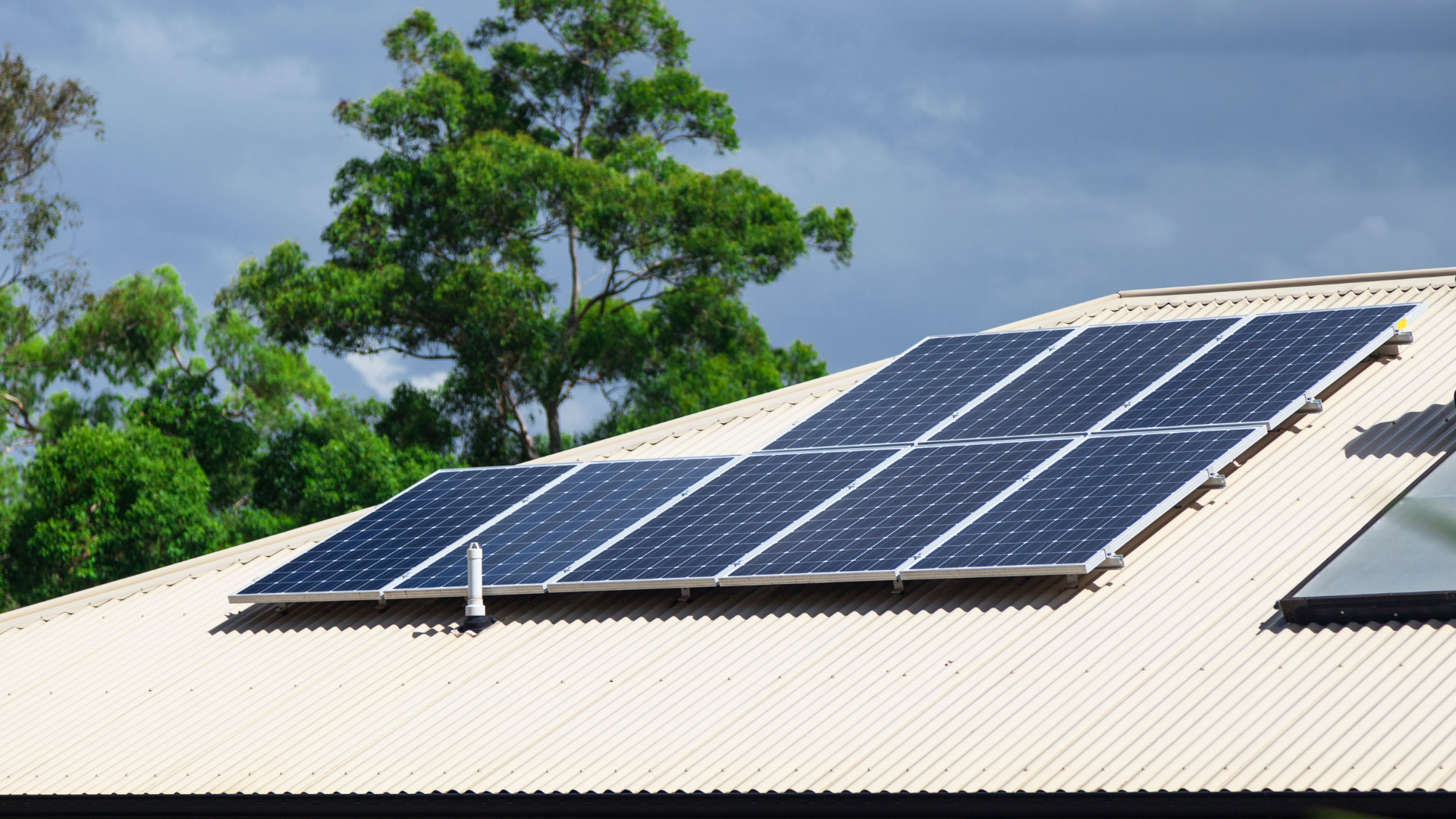
When solar panels are first installed, the roof may receive plenty of sunlight. Years later, nearby trees can grow taller, branches can spread and shadows can begin reaching parts of the solar array.
The change may happen gradually, making it easy to overlook. Yet shading from trees and other obstructions can reduce solar electricity generation, depending on how much of the array is shaded and when it occurs.
If your system seems to be producing less electricity than it used to, the surrounding environment is worth checking alongside your monitoring data.
The Problem: Your Roof Has Changed, Even If Your Panels Haven't
Solar designs are based on the conditions present when the system is assessed. As trees grow, the pattern of sunlight reaching the roof can change.
For example, a tree on the western side of a property might cast a longer shadow across the panels during the afternoon. A tree to the east may affect morning generation instead.
Seasonal changes matter too. The sun's position changes throughout the year, so a tree may shade the roof more heavily during one season than another.
The important point: shading depends on the tree's height, position, distance from the panels and the time of day—not simply how large the tree looks from the ground.
Three Signs Tree Growth May Be Affecting Your Solar System
1. Your Generation Pattern Has Changed
Check your solar monitoring app for changes in daily or hourly generation.
If output has declined over time, consider whether a tree, nearby building or other obstruction has started casting a shadow across the panels.
Compare days with similar weather and sunlight conditions. A cloudy afternoon cannot be compared directly with a clear one.
2. Output Drops at a Similar Time Each Day
A recurring drop during particular morning or afternoon hours may be worth investigating, especially if a nearby tree casts a shadow at that time.
However, a change in the generation curve does not prove shading is the cause. Inverter faults, electrical issues, dirt and weather can also affect production.
3. Your Electricity Imports Have Increased
If your household consumes similar amounts of electricity but your solar system generates less, you may need to buy more power from the grid.
Review both solar generation and household consumption before drawing conclusions. Changes in appliance use, seasonal cooling demand or electricity tariffs may also affect your bills.
What Can You Do About the Shading?
There is no single solution for every property. Start by identifying the source and extent of the shade.
Option 1: Assess the Tree and Its Growth Pattern. Look at when shadows reach the roof from a safe location. If pruning is appropriate, consult a qualified arborist and check any applicable local council or tree-protection requirements before work begins.
Option 2: Ask for a Solar Performance Assessment. A solar professional can compare monitoring data with the array's layout and evaluate whether shading is materially affecting generation.
Option 3: Review the System Design. Depending on the existing equipment and roof layout, a professional may investigate alternative panel arrangements or suitable module-level technologies. These options have limitations and should not be assumed to eliminate every shading problem.
The Australian Government's solar design guidance specifically identifies trees and future tree growth as factors to consider when assessing a system.
Read more: Australian Government guidance on solar design and shading.
Should You Remove a Tree to Improve Solar Output?
Not necessarily.
Trees provide shade, support local biodiversity and can help keep outdoor spaces comfortable. Removing one solely to improve solar generation may not be the best overall decision.
First, determine how much generation is being lost and whether a practical alternative exists. Any pruning or removal should also account for tree health, property safety and local regulations.
Prevent Tomorrow's Shading Problem During Solar Planning
If you are planning a new installation, consider not only existing trees but also how nearby vegetation may grow over the coming years.
A useful design assessment should consider shading at different times of day and seasons, along with the roof's orientation and the household's energy needs.
Is a growing tree affecting your solar output? Renostain can help you explore a solar system assessment and identify which options may be suitable for your property.
The change may happen gradually, making it easy to overlook. Yet shading from trees and other obstructions can reduce solar electricity generation, depending on how much of the array is shaded and when it occurs.
If your system seems to be producing less electricity than it used to, the surrounding environment is worth checking alongside your monitoring data.
The Problem: Your Roof Has Changed, Even If Your Panels Haven't
Solar designs are based on the conditions present when the system is assessed. As trees grow, the pattern of sunlight reaching the roof can change.
For example, a tree on the western side of a property might cast a longer shadow across the panels during the afternoon. A tree to the east may affect morning generation instead.
Seasonal changes matter too. The sun's position changes throughout the year, so a tree may shade the roof more heavily during one season than another.
The important point: shading depends on the tree's height, position, distance from the panels and the time of day—not simply how large the tree looks from the ground.
Three Signs Tree Growth May Be Affecting Your Solar System
1. Your Generation Pattern Has Changed
Check your solar monitoring app for changes in daily or hourly generation.
If output has declined over time, consider whether a tree, nearby building or other obstruction has started casting a shadow across the panels.
Compare days with similar weather and sunlight conditions. A cloudy afternoon cannot be compared directly with a clear one.
2. Output Drops at a Similar Time Each Day
A recurring drop during particular morning or afternoon hours may be worth investigating, especially if a nearby tree casts a shadow at that time.
However, a change in the generation curve does not prove shading is the cause. Inverter faults, electrical issues, dirt and weather can also affect production.
3. Your Electricity Imports Have Increased
If your household consumes similar amounts of electricity but your solar system generates less, you may need to buy more power from the grid.
Review both solar generation and household consumption before drawing conclusions. Changes in appliance use, seasonal cooling demand or electricity tariffs may also affect your bills.
What Can You Do About the Shading?
There is no single solution for every property. Start by identifying the source and extent of the shade.
Option 1: Assess the Tree and Its Growth Pattern. Look at when shadows reach the roof from a safe location. If pruning is appropriate, consult a qualified arborist and check any applicable local council or tree-protection requirements before work begins.
Option 2: Ask for a Solar Performance Assessment. A solar professional can compare monitoring data with the array's layout and evaluate whether shading is materially affecting generation.
Option 3: Review the System Design. Depending on the existing equipment and roof layout, a professional may investigate alternative panel arrangements or suitable module-level technologies. These options have limitations and should not be assumed to eliminate every shading problem.
The Australian Government's solar design guidance specifically identifies trees and future tree growth as factors to consider when assessing a system.
Read more: Australian Government guidance on solar design and shading.
Should You Remove a Tree to Improve Solar Output?
Not necessarily.
Trees provide shade, support local biodiversity and can help keep outdoor spaces comfortable. Removing one solely to improve solar generation may not be the best overall decision.
First, determine how much generation is being lost and whether a practical alternative exists. Any pruning or removal should also account for tree health, property safety and local regulations.
Prevent Tomorrow's Shading Problem During Solar Planning
If you are planning a new installation, consider not only existing trees but also how nearby vegetation may grow over the coming years.
A useful design assessment should consider shading at different times of day and seasons, along with the roof's orientation and the household's energy needs.
Is a growing tree affecting your solar output? Renostain can help you explore a solar system assessment and identify which options may be suitable for your property.