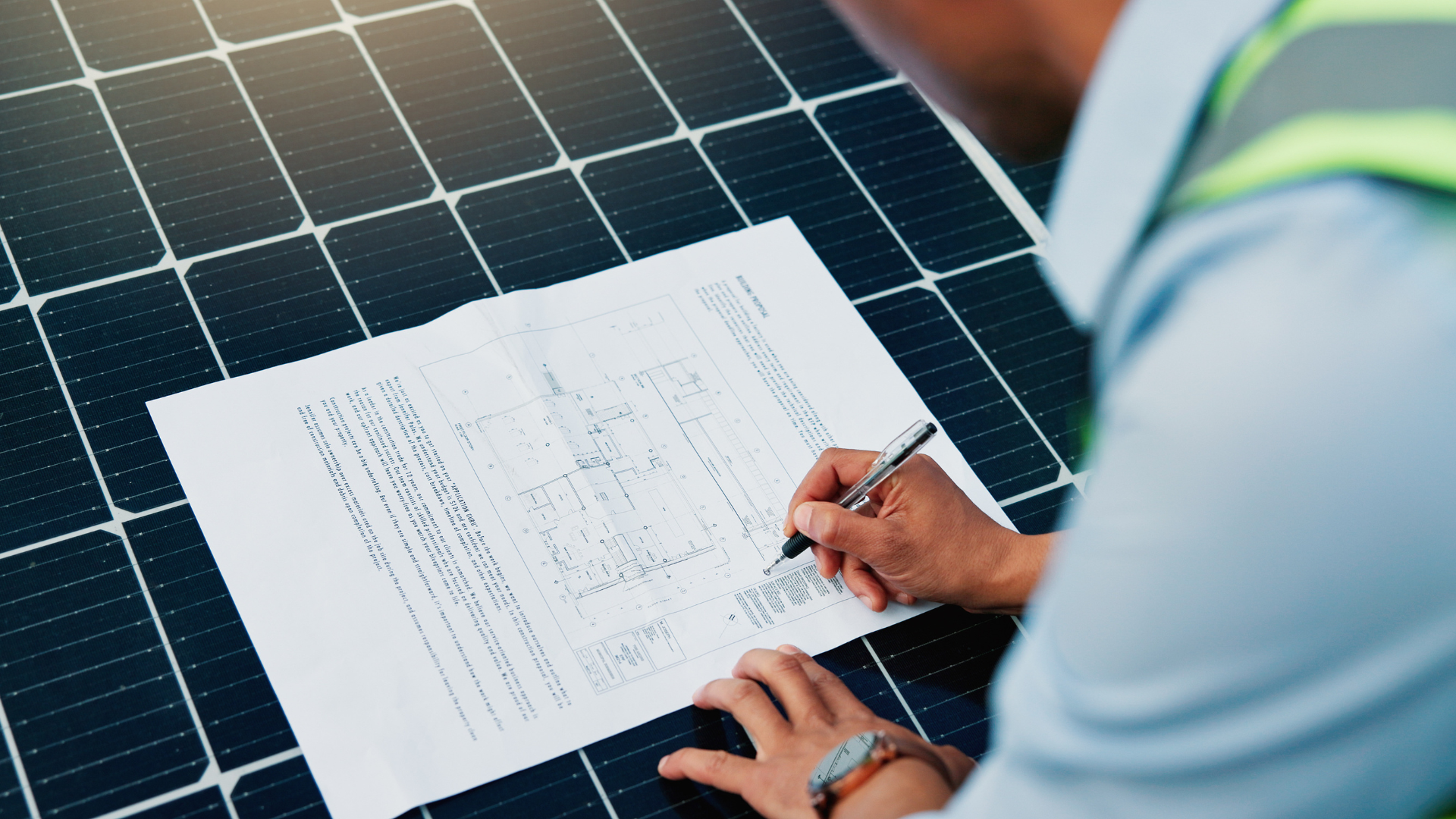
A finished electrical installation can look simple. A switchboard, cables, solar panels, an inverter, a battery or an EV charger may appear to be separate components working together. However, behind a completed installation is often a significant amount of engineering work, technical analysis and documentation.
Engineering documentation connects the physical installation with the technical decisions behind its design. It helps communicate project requirements, record calculations, identify equipment specifications and explain how different electrical components are intended to work together.
As electrical systems become more complex, clear documentation becomes essential for maintaining accuracy, supporting coordination and preserving important technical information throughout a project's lifecycle.
Before Construction: Establishing the Engineering Basis
Before construction begins, engineering documentation helps define the project's requirements, technical constraints and intended outcomes. It provides a common reference for engineers, contractors and other stakeholders before equipment is selected or installation work starts.
Key documentation may include:
Project Requirements – Define the project's objectives, scope and expected outcomes.
Load Information – Identify electrical demand and the requirements of connected equipment.
Design Calculations – Document the analysis supporting system sizing, cable selection and other electrical parameters.
Drawings – Communicate electrical connections, system layouts and equipment arrangements.
Specifications – Establish the technical requirements and characteristics of the equipment being considered.
Together, these documents provide a technical foundation for informed design decisions and help reduce uncertainty before construction begins.
During the Project: Maintaining Coordination
Engineering documentation remains important throughout construction, when site conditions, equipment availability and project requirements may change. Updated records help ensure that everyone involved is working from consistent and relevant technical information.
This becomes particularly important when multiple contractors are involved, equipment specifications change, projects are completed in stages or design revisions need to be reviewed.
For example, changing an inverter or adding an EV charger may affect electrical capacity, equipment compatibility or existing design assumptions. Depending on the change, drawings, calculations and specifications may need to be reviewed and updated.
Clear documentation helps project teams track revisions, communicate changes and maintain consistency between the intended design and the installation. It can also support technical reviews and provide evidence for applicable compliance requirements.
After Completion: Supporting Maintenance and Future Modifications
The value of engineering documentation continues long after construction is finished. Future contractors and maintenance teams may need to understand how the system was designed, what equipment was installed and why particular technical decisions were made.
Imagine five years after installation, when a new contractor needs to investigate an electrical issue or assess whether additional equipment can be installed. They may need to know:
Where does this circuit go?
What equipment was originally specified?
What protection arrangements were included?
What assumptions informed the original design?
Have any modifications been made?
Accurate documentation helps answer these questions and provides a useful starting point for future engineering assessments. Although the actual installation may still need to be inspected and verified, reliable records can reduce unnecessary investigation and improve continuity between project teams.
Engineering Documentation Is More Than Drawings
Technical documentation involves more than producing attractive diagrams or completing paperwork. Depending on the project's scope, it may include electrical architecture, equipment specifications, circuit information, protection arrangements, design assumptions, engineering calculations, testing records and compliance information.
Each document serves a purpose, helping stakeholders understand how the system is designed and what requirements must be considered during installation and operation.
The goal is not simply to create more documents. It is to make important technical information clear, traceable and useful when decisions need to be made. Why Documentation Matters for Integrated Energy Systems Modern electrical projects may combine solar panels, battery storage, EV charging, HVAC, grid connections and energy management systems. Each component has its own requirements, but its operation can also affect the wider electrical system.
For example, adding EV chargers to a property with solar and battery storage may require an assessment of electrical demand, available capacity, equipment compatibility and system operation. Clear documentation helps engineers and contractors understand these relationships before implementing changes.
As the number of interconnected components increases, well-organised engineering documentation becomes increasingly important for communicating design decisions and maintaining technical consistency.
Think of Documentation as the Project's Technical Memory
Equipment can be replaced, contractors can change and project teams can move on. However, the technical decisions behind an installation may still need to be understood years later.
Engineering documentation preserves important information about what was designed, how the system was intended to operate and why particular decisions were made. It provides future stakeholders with a reference for maintenance, troubleshooting and modifications.
Good documentation acts as the project's technical memory, connecting the original engineering work with the people responsible for the system throughout its lifecycle.
How Renostain Supports Engineering Documentation
Renostain recognises the importance of clear technical information in complex electrical projects. Structured engineering documentation and reporting can help organise technical findings, communicate design considerations and make project information easier for stakeholders to understand and review.
For projects involving renewable energy, battery systems, EV charging and other electrical technologies, clear technical records can support coordination, traceability and future assessments.
Renostain supports technical documentation and engineering reporting designed to make complex electrical information clearer, traceable and usable throughout a project's lifecycle.
Engineering documentation connects the physical installation with the technical decisions behind its design. It helps communicate project requirements, record calculations, identify equipment specifications and explain how different electrical components are intended to work together.
As electrical systems become more complex, clear documentation becomes essential for maintaining accuracy, supporting coordination and preserving important technical information throughout a project's lifecycle.
Before Construction: Establishing the Engineering Basis
Before construction begins, engineering documentation helps define the project's requirements, technical constraints and intended outcomes. It provides a common reference for engineers, contractors and other stakeholders before equipment is selected or installation work starts.
Key documentation may include:
Project Requirements – Define the project's objectives, scope and expected outcomes.
Load Information – Identify electrical demand and the requirements of connected equipment.
Design Calculations – Document the analysis supporting system sizing, cable selection and other electrical parameters.
Drawings – Communicate electrical connections, system layouts and equipment arrangements.
Specifications – Establish the technical requirements and characteristics of the equipment being considered.
Together, these documents provide a technical foundation for informed design decisions and help reduce uncertainty before construction begins.
During the Project: Maintaining Coordination
Engineering documentation remains important throughout construction, when site conditions, equipment availability and project requirements may change. Updated records help ensure that everyone involved is working from consistent and relevant technical information.
This becomes particularly important when multiple contractors are involved, equipment specifications change, projects are completed in stages or design revisions need to be reviewed.
For example, changing an inverter or adding an EV charger may affect electrical capacity, equipment compatibility or existing design assumptions. Depending on the change, drawings, calculations and specifications may need to be reviewed and updated.
Clear documentation helps project teams track revisions, communicate changes and maintain consistency between the intended design and the installation. It can also support technical reviews and provide evidence for applicable compliance requirements.
After Completion: Supporting Maintenance and Future Modifications
The value of engineering documentation continues long after construction is finished. Future contractors and maintenance teams may need to understand how the system was designed, what equipment was installed and why particular technical decisions were made.
Imagine five years after installation, when a new contractor needs to investigate an electrical issue or assess whether additional equipment can be installed. They may need to know:
Where does this circuit go?
What equipment was originally specified?
What protection arrangements were included?
What assumptions informed the original design?
Have any modifications been made?
Accurate documentation helps answer these questions and provides a useful starting point for future engineering assessments. Although the actual installation may still need to be inspected and verified, reliable records can reduce unnecessary investigation and improve continuity between project teams.
Engineering Documentation Is More Than Drawings
Technical documentation involves more than producing attractive diagrams or completing paperwork. Depending on the project's scope, it may include electrical architecture, equipment specifications, circuit information, protection arrangements, design assumptions, engineering calculations, testing records and compliance information.
Each document serves a purpose, helping stakeholders understand how the system is designed and what requirements must be considered during installation and operation.
The goal is not simply to create more documents. It is to make important technical information clear, traceable and useful when decisions need to be made. Why Documentation Matters for Integrated Energy Systems Modern electrical projects may combine solar panels, battery storage, EV charging, HVAC, grid connections and energy management systems. Each component has its own requirements, but its operation can also affect the wider electrical system.
For example, adding EV chargers to a property with solar and battery storage may require an assessment of electrical demand, available capacity, equipment compatibility and system operation. Clear documentation helps engineers and contractors understand these relationships before implementing changes.
As the number of interconnected components increases, well-organised engineering documentation becomes increasingly important for communicating design decisions and maintaining technical consistency.
Think of Documentation as the Project's Technical Memory
Equipment can be replaced, contractors can change and project teams can move on. However, the technical decisions behind an installation may still need to be understood years later.
Engineering documentation preserves important information about what was designed, how the system was intended to operate and why particular decisions were made. It provides future stakeholders with a reference for maintenance, troubleshooting and modifications.
Good documentation acts as the project's technical memory, connecting the original engineering work with the people responsible for the system throughout its lifecycle.
How Renostain Supports Engineering Documentation
Renostain recognises the importance of clear technical information in complex electrical projects. Structured engineering documentation and reporting can help organise technical findings, communicate design considerations and make project information easier for stakeholders to understand and review.
For projects involving renewable energy, battery systems, EV charging and other electrical technologies, clear technical records can support coordination, traceability and future assessments.
Renostain supports technical documentation and engineering reporting designed to make complex electrical information clearer, traceable and usable throughout a project's lifecycle.