Having solar doesn't mean using solar all the time
One of the most common questions from solar owners is:
“If my panels are producing electricity, why am I still getting an electricity bill?”
The answer often comes down to timing.
Solar panels generally produce electricity during daylight hours. Your household may use much more electricity later in the afternoon and evening, when solar production has already fallen.
That means a home can export electricity during the day and then purchase electricity from the grid later.
Where energy management comes in
Energy management looks at when electricity is being generated and when it is being consumed.
Instead of simply asking how much electricity your solar system produces, it considers how that electricity moves through the home.
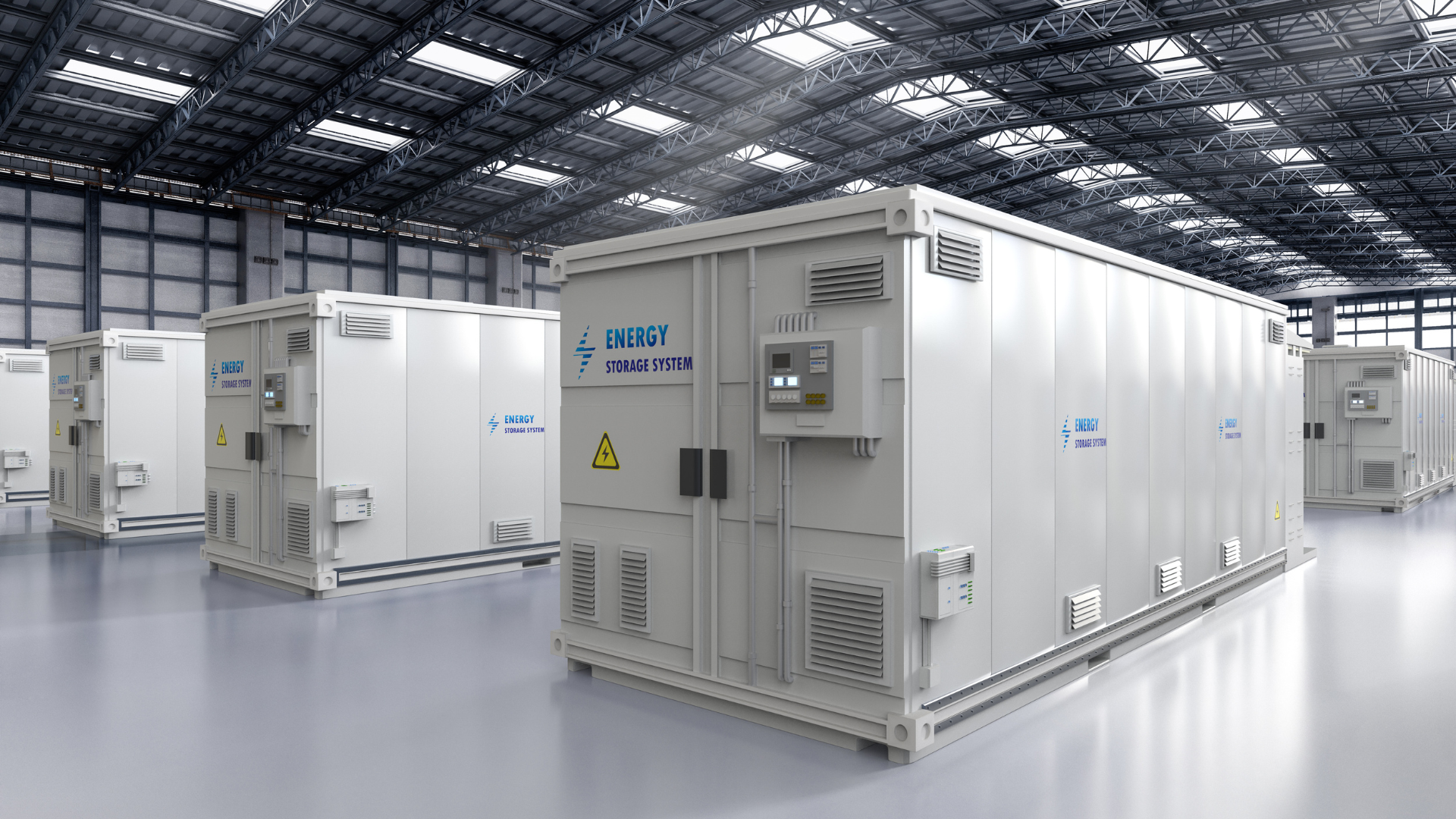
A battery can store excess solar for later use, while smart systems can help coordinate appliances, hot water, EV charging and other loads.
The Australian Government explains that batteries can store solar energy for use when solar generation is insufficient, including at night.
Does everyone need a battery?
Not necessarily.
The Australian Government also notes that the financial benefit of a battery depends on individual circumstances, including electricity use and when energy is consumed.
So before adding equipment, it makes sense to understand the property's actual energy pattern.
Renostain's Energy Management solutions can help homeowners look at energy generation, consumption and storage as one connected system.
One of the most common questions from solar owners is:
“If my panels are producing electricity, why am I still getting an electricity bill?”
The answer often comes down to timing.
Solar panels generally produce electricity during daylight hours. Your household may use much more electricity later in the afternoon and evening, when solar production has already fallen.
That means a home can export electricity during the day and then purchase electricity from the grid later.
Where energy management comes in
Energy management looks at when electricity is being generated and when it is being consumed.
Instead of simply asking how much electricity your solar system produces, it considers how that electricity moves through the home.
A battery can store excess solar for later use, while smart systems can help coordinate appliances, hot water, EV charging and other loads.
The Australian Government explains that batteries can store solar energy for use when solar generation is insufficient, including at night.
Does everyone need a battery?
Not necessarily.
The Australian Government also notes that the financial benefit of a battery depends on individual circumstances, including electricity use and when energy is consumed.
So before adding equipment, it makes sense to understand the property's actual energy pattern.
Renostain's Energy Management solutions can help homeowners look at energy generation, consumption and storage as one connected system.