
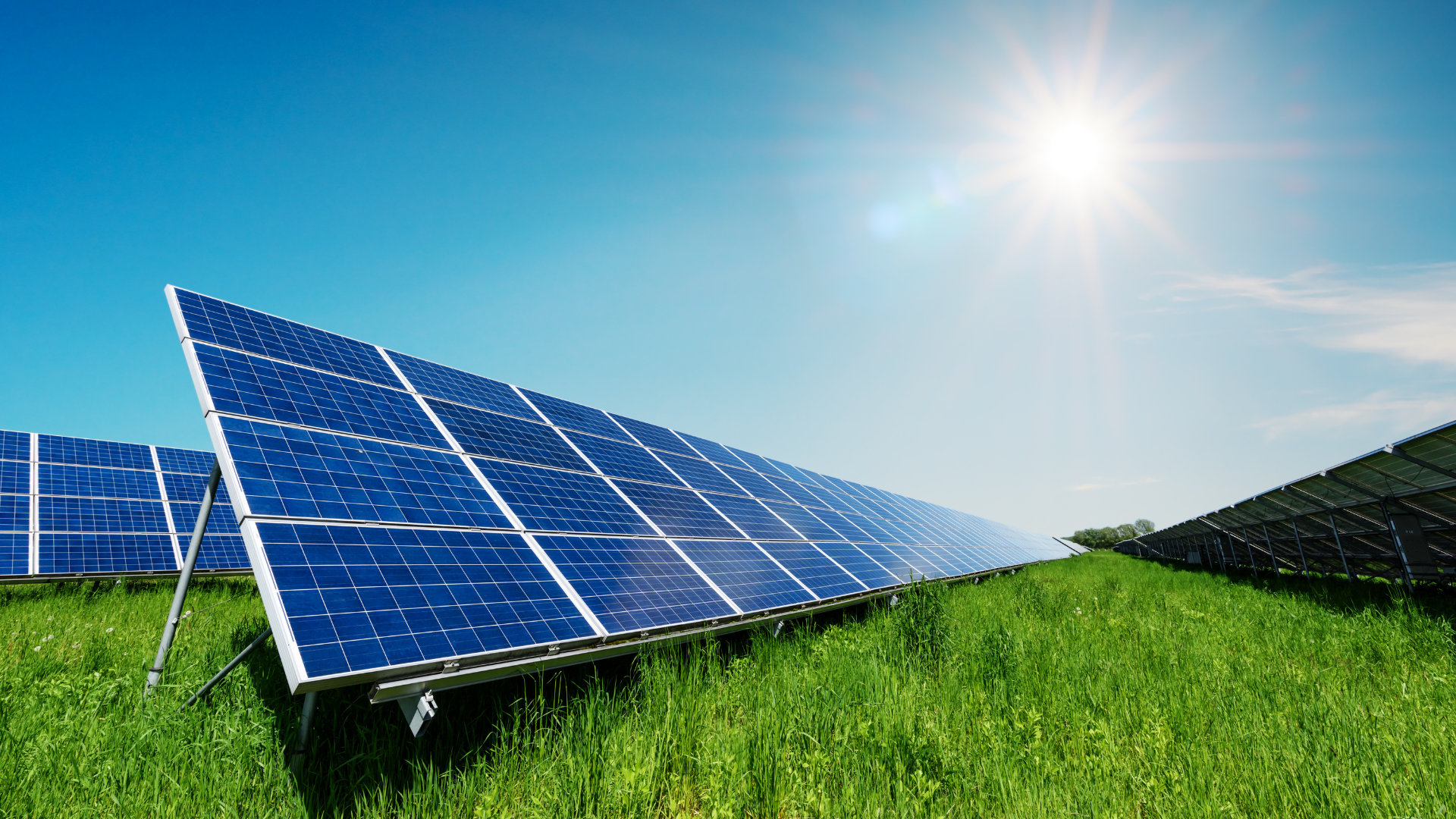
It might seem logical that solar panels should produce the most electricity on the hottest, sunniest days of the year. After all, solar panels need sunlight to generate electricity. However, there is an important difference between strong sunlight and high temperatures. While solar panels generally perform well when they receive plenty of sunlight, excessive heat can slightly reduce their electrical output. This means an extremely hot day does not necessarily produce more solar electricity than a slightly cooler day with similar sunlight conditions.
Understanding how temperature affects solar performance can help homeowners interpret their solar monitoring data more accurately, understand seasonal changes in generation and recognise when a genuine performance issue may need further investigation.
Solar Panels Need Sunlight, Not Heat
Solar panels generate electricity through the photovoltaic effect, which converts sunlight into electrical energy. The amount of electricity a solar system produces depends on several factors, including sunlight intensity, time of day, season, panel orientation, shading and overall system design. Although warm weather often accompanies strong sunshine, heat itself is not what makes solar panels generate electricity.
In fact, a cooler day with clear skies and strong sunlight can sometimes deliver better instantaneous solar output than a much hotter day with similar sunlight conditions. This is because solar panels generally operate more efficiently at lower temperatures. For Australian homeowners, this distinction is particularly relevant during summer, when high ambient temperatures can cause panels on rooftops to become significantly hotter than the surrounding air.
Why Does Heat Affect Solar Panel Performance?
Solar photovoltaic cells are sensitive to temperature. As a panel becomes hotter, its voltage generally decreases, which can reduce the amount of electrical power it produces under the same sunlight conditions. The effect varies depending on the panel's technology and temperature characteristics, but it is a normal feature of solar photovoltaic systems.
This does not mean solar panels stop working in extreme heat. They continue generating electricity as long as sufficient sunlight is available. However, their output may be lower than it would be under cooler operating conditions. The actual result depends on the balance between sunlight intensity and panel temperature, rather than air temperature alone.
Why Your Solar Panel's Rated Capacity Is Not Its Constant Output
Solar panels are rated under standard test conditions, which provide a consistent basis for comparing different products. For example, a panel with a rated capacity of 400 watts is not expected to produce exactly 400 watts throughout every sunny day.
Actual output changes as sunlight intensity, panel temperature, shading and other environmental conditions change. Panel direction, roof angle, inverter performance and system configuration also influence the amount of electricity generated.
For this reason, the rated capacity printed on a solar panel should be viewed as a reference for its performance under specified test conditions, not a guarantee of continuous real-world output. Looking at total daily energy generation, measured in kilowatt-hours (kWh), can provide a more useful picture of how the system performs over time.
Why Extremely Hot Days Can Still Generate Plenty of Solar Energy
A very hot day can still be an excellent day for solar generation. When skies are clear and sunlight is strong for several hours, a solar system can produce substantial electricity even if the panels become extremely hot.
Consider two summer days: one with an air temperature of 34°C and another at 27°C. If both days have similar sunlight conditions, the cooler day may offer a temperature-related performance advantage. However, if the hotter day has longer sunshine hours or stronger sunlight, it could still produce more total electricity over the course of the day.
This is why temperature alone cannot determine whether your solar system is performing well. Cloud cover, changing weather conditions, shading and the duration of available sunlight all influence the final result. Comparing generation trends across days with similar weather conditions is generally more meaningful than comparing air temperatures alone.
Other Factors That Can Reduce Solar Electricity Production
Heat is only one of several factors that influence solar generation. Shading from trees, nearby buildings or roof structures can reduce the sunlight reaching panels and may affect system output. Dust, leaves and other debris can also interfere with sunlight reaching the panel surface, although the impact depends on how much material has accumulated and the conditions at the property.
Cloud cover can reduce the amount of direct sunlight reaching the panels, resulting in lower electricity generation even when outdoor temperatures remain high. Panel orientation and roof angle also affect how much sunlight the system receives throughout the day.
In some cases, reduced output may be associated with equipment or system issues rather than weather. An inverter fault, wiring problem or other component issue can affect performance. Therefore, a noticeable drop in generation should not automatically be attributed to high temperatures, particularly if the reduction continues under otherwise favourable conditions.
How Can You Tell If Your Solar System Is Performing Normally?
Most modern solar systems offer monitoring through an inverter display, mobile application or online portal. These tools allow homeowners to review electricity generation and identify changes in system performance over time.
A lower-generation day does not necessarily indicate a fault, especially when weather conditions differ from previous days. Instead, look for consistent patterns and compare generation across days with reasonably similar sunlight conditions. Seasonal changes should also be considered because daylight hours and the sun's position change throughout the year.
If your solar system repeatedly produces significantly less electricity than expected under comparable conditions, it may be worth arranging a professional assessment. Reviewing monitoring data, system settings and equipment condition can help determine whether the difference is related to weather, normal operating characteristics or a potential technical issue.
Understanding how temperature affects solar performance can help homeowners interpret their solar monitoring data more accurately, understand seasonal changes in generation and recognise when a genuine performance issue may need further investigation.
Solar Panels Need Sunlight, Not Heat
Solar panels generate electricity through the photovoltaic effect, which converts sunlight into electrical energy. The amount of electricity a solar system produces depends on several factors, including sunlight intensity, time of day, season, panel orientation, shading and overall system design. Although warm weather often accompanies strong sunshine, heat itself is not what makes solar panels generate electricity.
In fact, a cooler day with clear skies and strong sunlight can sometimes deliver better instantaneous solar output than a much hotter day with similar sunlight conditions. This is because solar panels generally operate more efficiently at lower temperatures. For Australian homeowners, this distinction is particularly relevant during summer, when high ambient temperatures can cause panels on rooftops to become significantly hotter than the surrounding air.
Why Does Heat Affect Solar Panel Performance?
Solar photovoltaic cells are sensitive to temperature. As a panel becomes hotter, its voltage generally decreases, which can reduce the amount of electrical power it produces under the same sunlight conditions. The effect varies depending on the panel's technology and temperature characteristics, but it is a normal feature of solar photovoltaic systems.
This does not mean solar panels stop working in extreme heat. They continue generating electricity as long as sufficient sunlight is available. However, their output may be lower than it would be under cooler operating conditions. The actual result depends on the balance between sunlight intensity and panel temperature, rather than air temperature alone.
Why Your Solar Panel's Rated Capacity Is Not Its Constant Output
Solar panels are rated under standard test conditions, which provide a consistent basis for comparing different products. For example, a panel with a rated capacity of 400 watts is not expected to produce exactly 400 watts throughout every sunny day.
Actual output changes as sunlight intensity, panel temperature, shading and other environmental conditions change. Panel direction, roof angle, inverter performance and system configuration also influence the amount of electricity generated.
For this reason, the rated capacity printed on a solar panel should be viewed as a reference for its performance under specified test conditions, not a guarantee of continuous real-world output. Looking at total daily energy generation, measured in kilowatt-hours (kWh), can provide a more useful picture of how the system performs over time.
Why Extremely Hot Days Can Still Generate Plenty of Solar Energy
A very hot day can still be an excellent day for solar generation. When skies are clear and sunlight is strong for several hours, a solar system can produce substantial electricity even if the panels become extremely hot.
Consider two summer days: one with an air temperature of 34°C and another at 27°C. If both days have similar sunlight conditions, the cooler day may offer a temperature-related performance advantage. However, if the hotter day has longer sunshine hours or stronger sunlight, it could still produce more total electricity over the course of the day.
This is why temperature alone cannot determine whether your solar system is performing well. Cloud cover, changing weather conditions, shading and the duration of available sunlight all influence the final result. Comparing generation trends across days with similar weather conditions is generally more meaningful than comparing air temperatures alone.
Other Factors That Can Reduce Solar Electricity Production
Heat is only one of several factors that influence solar generation. Shading from trees, nearby buildings or roof structures can reduce the sunlight reaching panels and may affect system output. Dust, leaves and other debris can also interfere with sunlight reaching the panel surface, although the impact depends on how much material has accumulated and the conditions at the property.
Cloud cover can reduce the amount of direct sunlight reaching the panels, resulting in lower electricity generation even when outdoor temperatures remain high. Panel orientation and roof angle also affect how much sunlight the system receives throughout the day.
In some cases, reduced output may be associated with equipment or system issues rather than weather. An inverter fault, wiring problem or other component issue can affect performance. Therefore, a noticeable drop in generation should not automatically be attributed to high temperatures, particularly if the reduction continues under otherwise favourable conditions.
How Can You Tell If Your Solar System Is Performing Normally?
Most modern solar systems offer monitoring through an inverter display, mobile application or online portal. These tools allow homeowners to review electricity generation and identify changes in system performance over time.
A lower-generation day does not necessarily indicate a fault, especially when weather conditions differ from previous days. Instead, look for consistent patterns and compare generation across days with reasonably similar sunlight conditions. Seasonal changes should also be considered because daylight hours and the sun's position change throughout the year.
If your solar system repeatedly produces significantly less electricity than expected under comparable conditions, it may be worth arranging a professional assessment. Reviewing monitoring data, system settings and equipment condition can help determine whether the difference is related to weather, normal operating characteristics or a potential technical issue.