Commercial & Industrial Energy Solutions
Cut More Than Just
Your kWh Costs
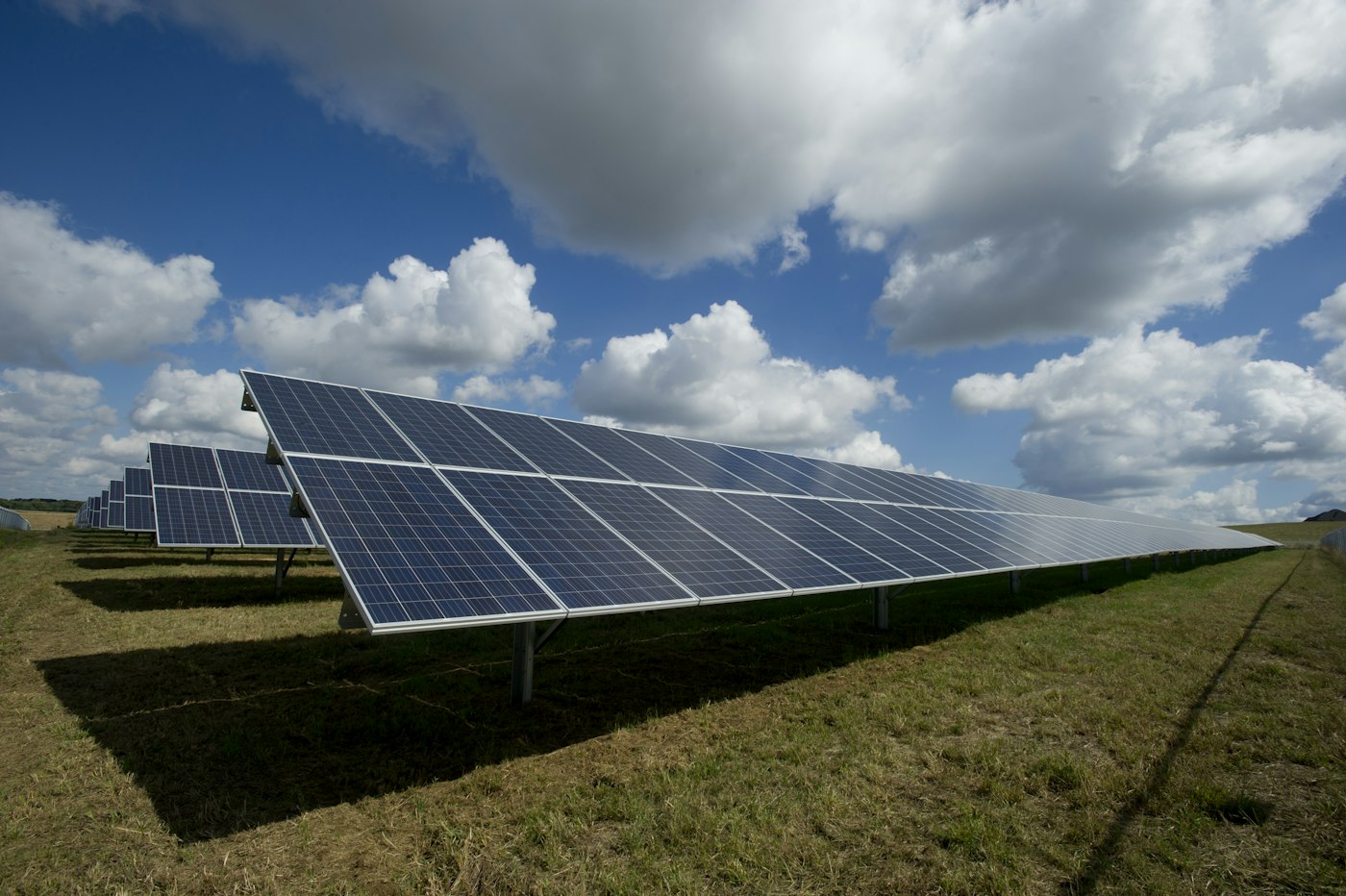
Businesses in Western Australia pay for energy and capacity. A correctly engineered solar and battery system can reduce both — especially capacity charges driven by peak demand periods on the SWIS.
Peak Demand Management
Battery discharge during demand periods can lower the peak load that feeds capacity charges.
STCs
Government incentives available
≤100 kW+
Rebate & certificate pathways
Peak
Demand charge reduction focus
AS/NZS
Standards-compliant design
The Commercial Reality
Businesses Pay for More Than Electricity Consumed
On many commercial tariffs in Western Australia, a material part of the bill is driven by capacity and demand charges — not only the kilowatt-hours you use.
1. Energy Charges (kWh)
The cost of the electricity your business actually consumes. On-site solar generation reduces this component directly by offsetting grid imports during the day.
2. Capacity / Demand Charges
Based on your contribution to system peak demand. In the South West Interconnected System (SWIS), capacity charges are commonly calculated using load during the 12 Peak SWIS Trading Intervals (the highest half-hour demand periods, typically in the hot season). A short spike can influence charges for the following capacity year.
How a Battery Helps Reduce Capacity Charges
A battery energy storage system (BESS) can be programmed to discharge during demand / peak periods. This is known as peak shaving or demand management.
- Battery supplies power during high-demand windows so less is drawn from the grid
- Lowers the measured peak load that feeds into capacity charge calculations
- Works with solar to store daytime generation for later controlled discharge
- Requires proper load analysis and control strategy — not a generic residential setup
Actual savings depend on your tariff structure, interval data and the timing of network peak periods. We design against your real load profile.
Government Support
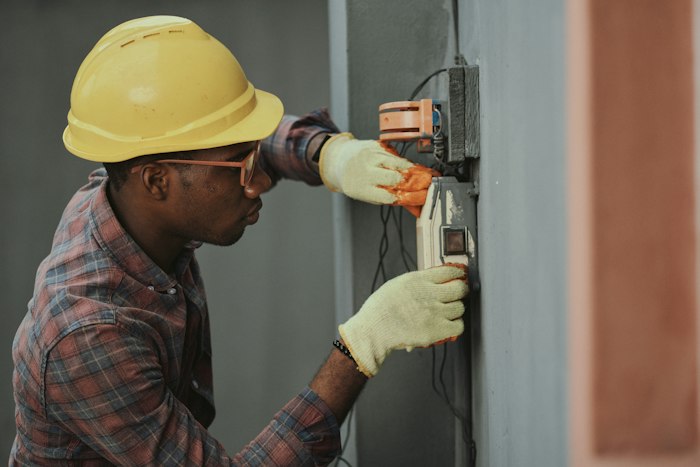
STCs & Commercial Rebates
Eligible systems can significantly reduce upfront cost through the Australian Government’s Small-scale Renewable Energy Scheme (SRES).
Small-scale Technology Certificates (STCs)
Under the SRES, eligible solar PV and battery systems create STCs. Each STC represents 1 MWh of renewable electricity. Most owners assign the right to create STCs to a registered agent in exchange for an upfront discount on the system.
- Solar PV systems up to 100 kW (small-scale) and, from late 2026, mid-scale systems 100 kW–1 MW under expanded rules
- Battery systems also eligible subject to capacity and CEC listing rules
- Deeming period for 2026 installations is typically 5 years for small-scale systems (declining toward 2030)
- Components must be on Clean Energy Council approved lists; installers require appropriate accreditation and WA electrical licensing
Systems up to 100 kW (and beyond)
Many commercial projects are designed in the ≤100 kW range to optimise STC eligibility and installation pathways. Larger systems can access mid-scale or large-scale frameworks depending on size and configuration.
- We size systems to balance energy goals, network constraints and available incentives
- Mid-scale (100 kW–1 MW) eligibility under SRES expanded in 2026 for qualifying installations
- All work must comply with AS/NZS 5033 (PV arrays), AS/NZS 5139 (battery storage), AS/NZS 3000 and Western Power / network requirements
- We manage technical documentation so incentives can be claimed correctly
Who We Work With
Industries Across Western Australia
Tailored commercial solutions for sites with different load profiles, operating hours and network constraints.
Industrial
Offices
Retail
Schools
Hospitality
More…
Also: warehouses, medical & aged-care facilities, agricultural operations, light manufacturing and multi-site portfolios.
What We Deliver
Commercial Services
Click any service for details, Australian compliance notes and how it applies to commercial sites.
Our Difference
A Dedicated Engineer on Every Commercial Project
Generic quotes and “one-size” systems rarely deliver the best outcome on capacity charges. We assign an engineer who reviews your interval data, demand windows, tariff structure and site constraints before recommending system size or control strategy.
- ✓ Load-profile and peak-interval analysis
- ✓ Design for AS/NZS 5033, AS/NZS 5139, AS/NZS 3000 and network rules
- ✓ Clear explanation of expected savings drivers (energy vs capacity)
- ✓ Ongoing technical support after commissioning

Engineering-first approach
Based in Jandakot, Perth · Serving all of WA
How We Work
From Data to Demand Reduction
1. Data & Tariff Review
We review interval data, current tariff structure and capacity charge exposure so the design targets the real cost drivers.
2. Concept & Feasibility
Solar and battery options are modelled against your load profile, demand windows and available STC pathways.
3. Detailed Design & Compliance
Full electrical design to AS/NZS standards, network application support and documentation for certificate claims.
4. Install, Commission & Support
Certified installation, control strategy setup for peak management, and ongoing technical support.
Results
Business Customer Testimonials
Case studies coming soon
We are collecting detailed commercial case studies covering solar + battery installations, demand reduction outcomes and payback performance. These will be published here shortly. Residential and smaller commercial references are available on request.
Ready to Reduce Capacity Charges?
Get a commercial assessment based on your actual load data and tariff — not a generic solar quote. Our engineers design for both energy and demand outcomes.
Book Commercial Assessment